Motivation
Motivation is the force that gives action a reason to happen.
It matters, but it is not the whole story. People often use the word as if it explains everything: if you are not moving, you must not want it enough. If you really cared, you would be doing it already. That sounds neat. It is also often wrong.
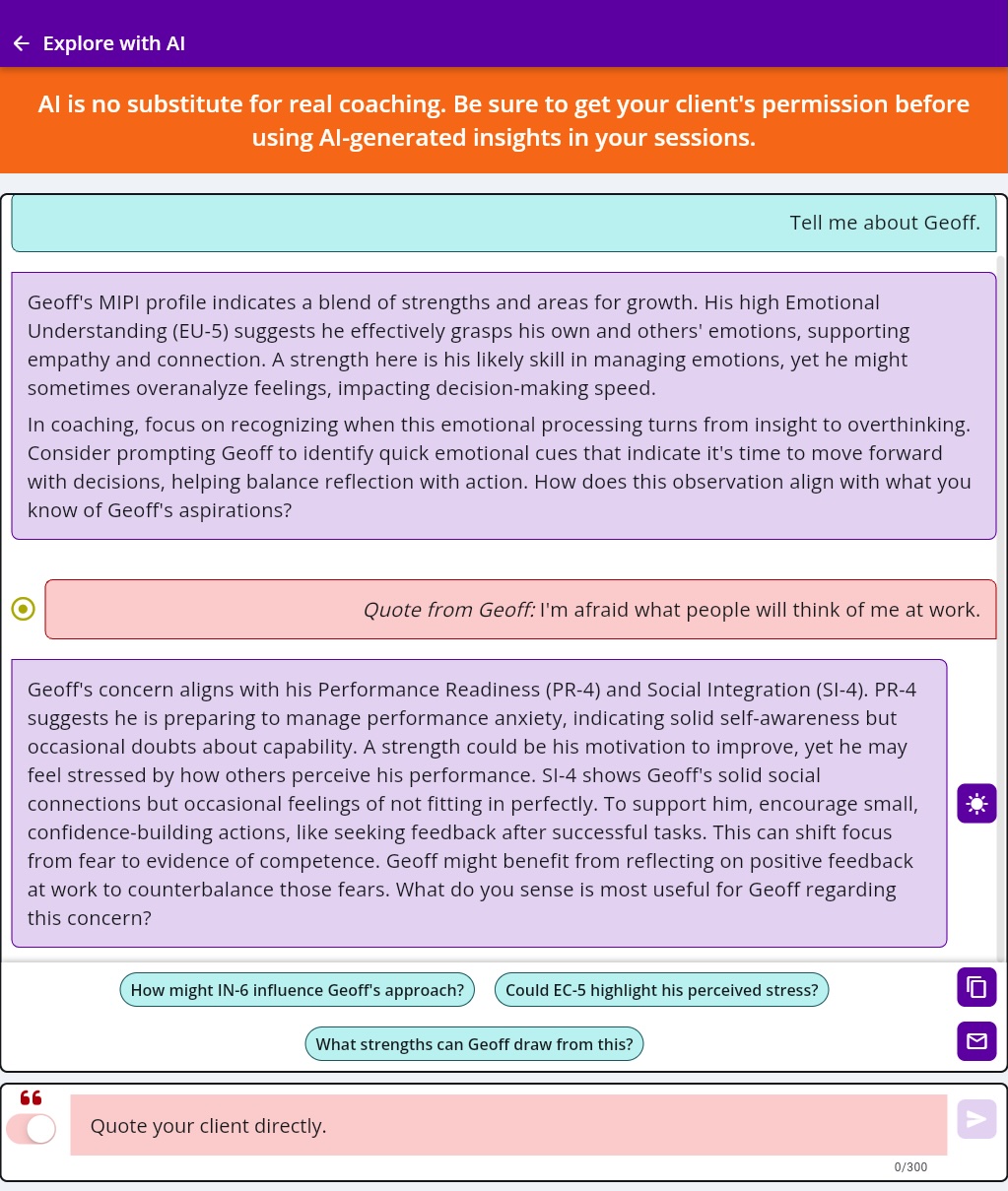
Research in self-determination theory suggests that motivation is not just about how much drive a person has. It also matters what kind of motivation is involved. People tend to do better when what they are pursuing feels more self-endorsed, meaningful or aligned with their own values, and worse when they are mostly driven by pressure, guilt or external demands (Ryan & Deci, 2000; Sheldon & Elliot, 1999).
That helps explain why motivation can feel so slippery. A person may care deeply about something and still feel stuck. They may want the outcome, but dread the process. They may be pulled forward by one part of themselves and resisted by another. In those moments, the issue is not always “more motivation.” Sometimes the issue is conflict, pressure, low traction or a poor fit between the goal and what actually matters to the person.
That is why motivation is useful, but incomplete. It tells you something about why a person might move, but not everything about whether movement will happen cleanly, steadily or at all.
What motivation is often mistaken for
- traction
- discipline
- energy
- commitment
Those things overlap. They are not the same.
Why this matters
If you keep treating every stuck point as a motivation problem, you may keep trying to increase the wrong thing. A better question is:
What kind of motivation is here, and what is getting in its way?
That question usually gives you more to work with.
Where to next