THE ADAPTIMIST ATLAS
A more disciplined way to move from lived difficulty to developmental fit.
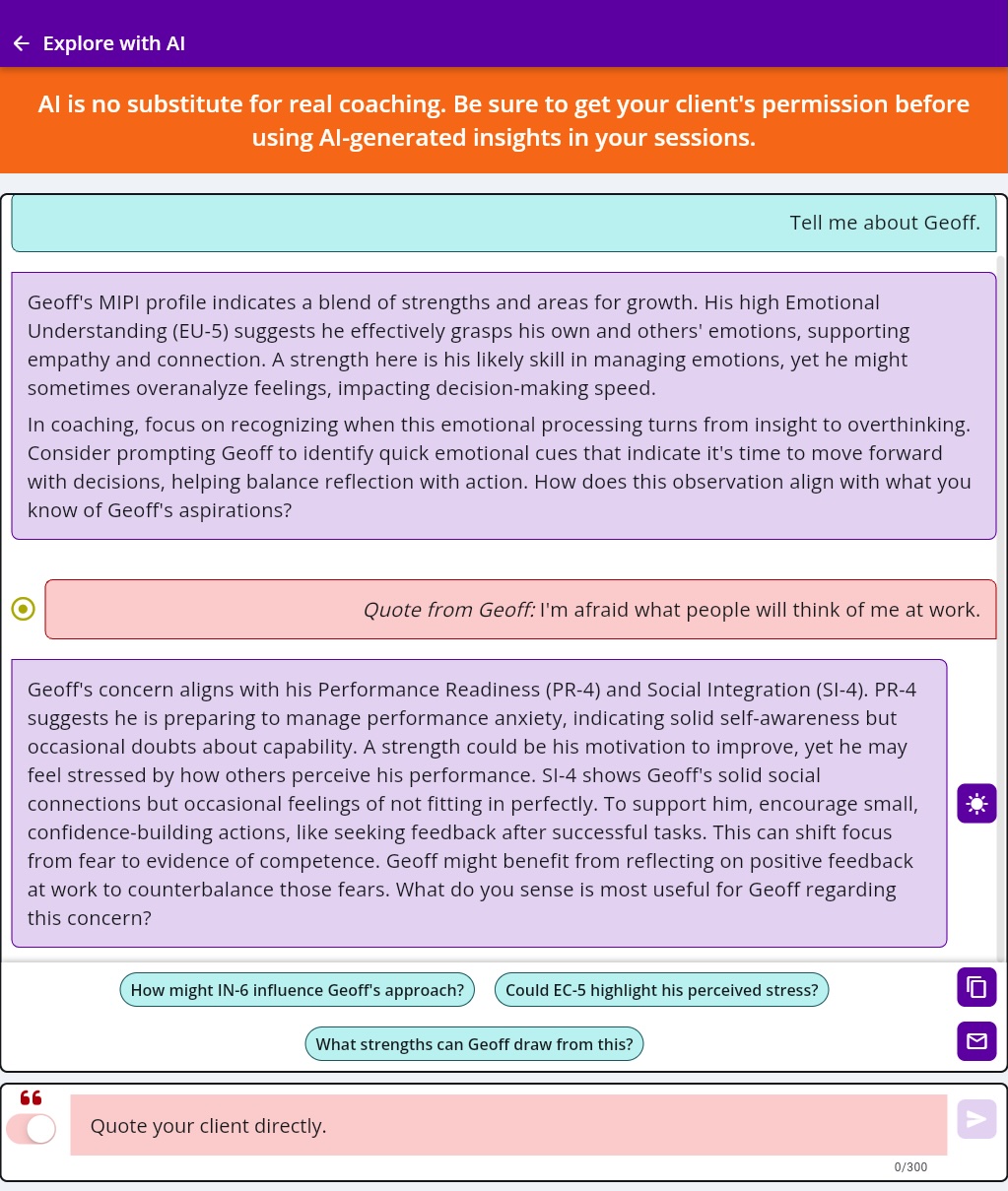
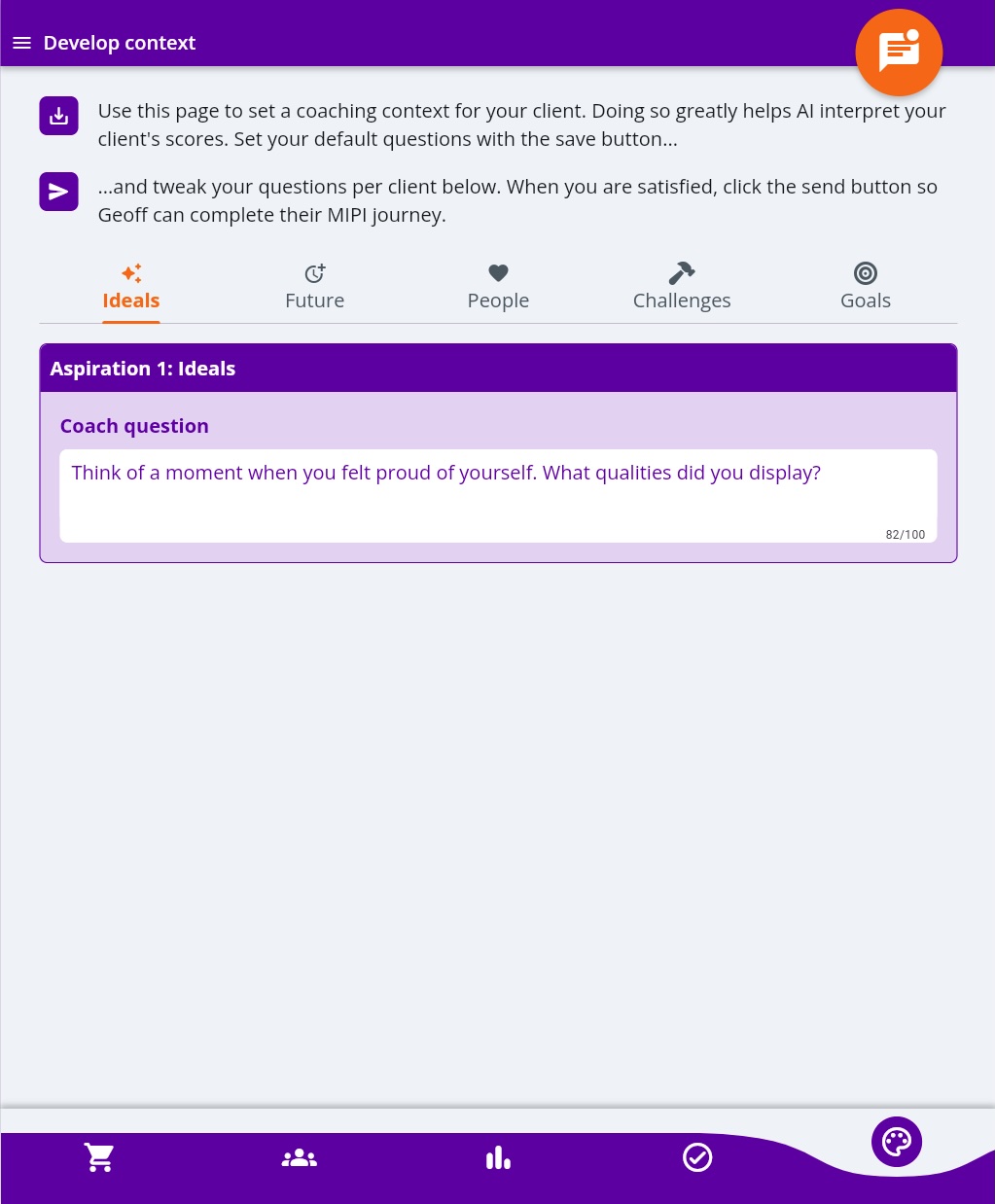
The MIPI framework is the core model behind our work. The Atlas is the larger system we built around that model. It helps us clarify a lived difficulty, identify the most relevant competencies, account for context and pressure, narrow the likely mechanisms and connect that reading to our reports, training and fitted next steps.
THE STRUCTURE
Why it exists
Most developmental work breaks down in the same places. The ideas may be good, but the translation is weak.
Generic training flattens people
Many programs deliver the same lesson to everyone, even when the underlying difficulty is different. Two people can both struggle with hard conversations, stress, or follow-through for very different reasons. If the reasoning stays too broad, the response does too.
Assessment alone creates noise
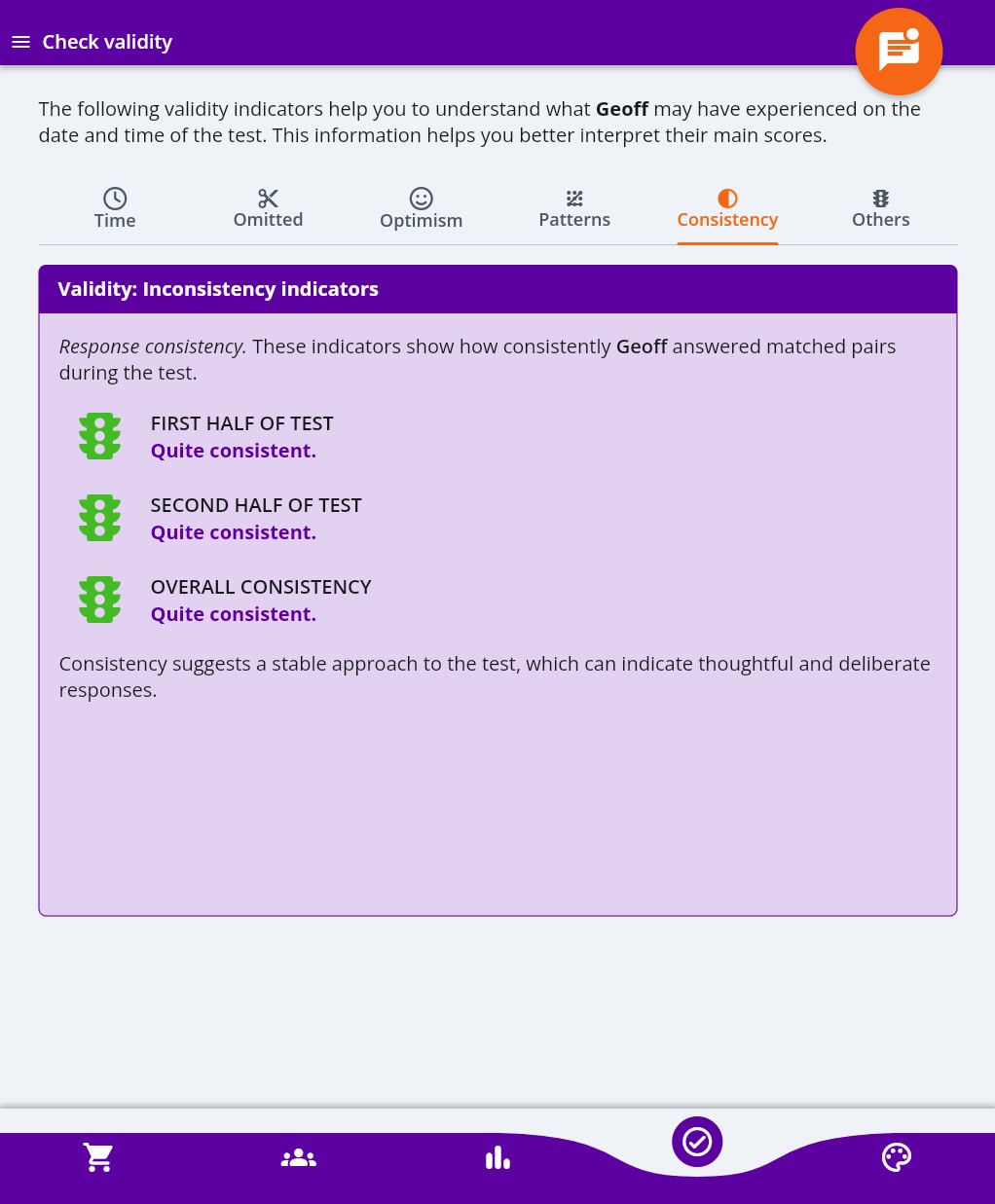
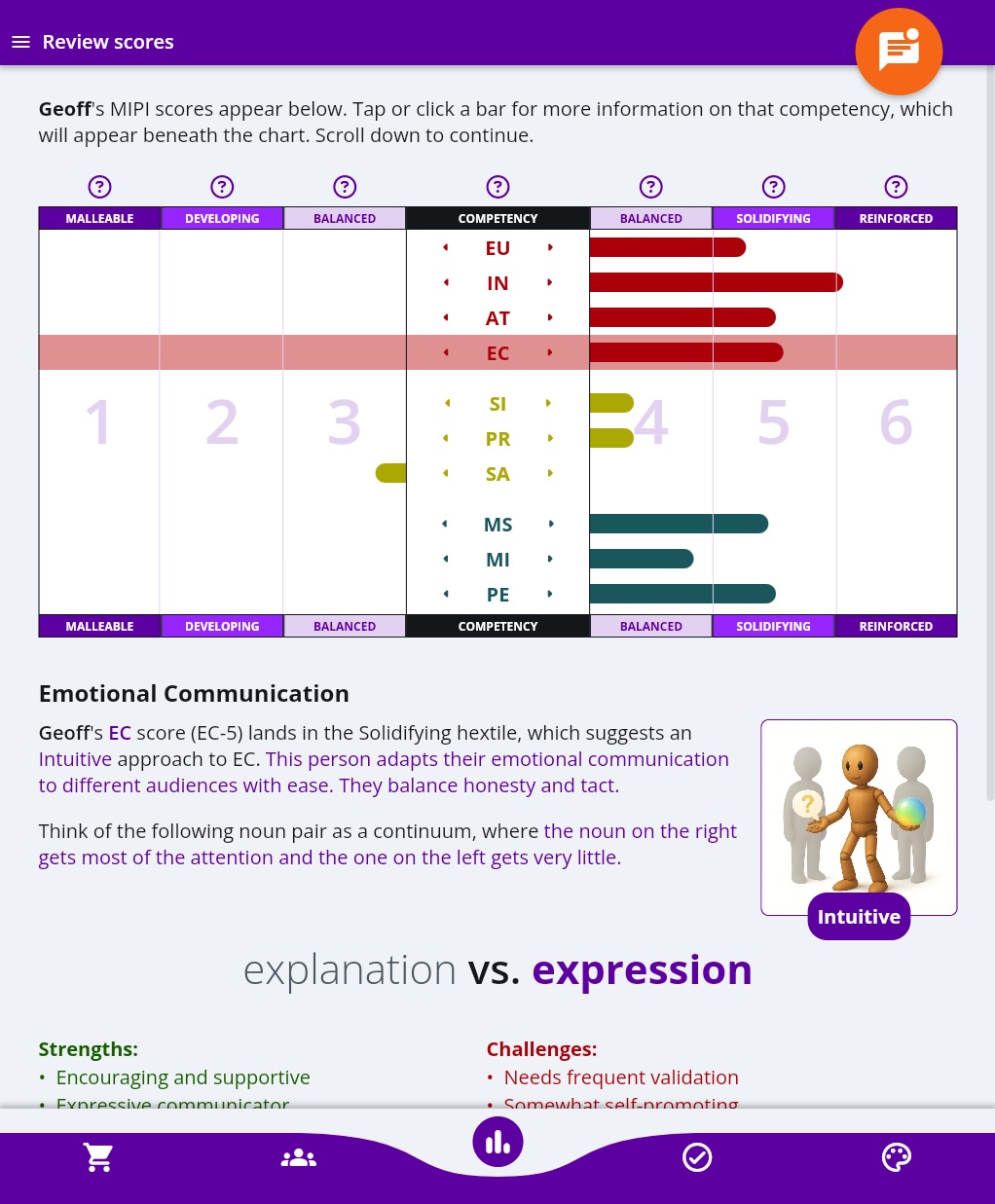
Scores can be useful, but they are not self-explanatory. Without context, mechanism-level interpretation, and some sense of situational pressure, people often over-read them, misread them, or turn them into labels that are too blunt to be helpful.
Practices are often disconnected
A lot of developmental work treats activities as if they are universally functional. But practices only make sense in relation to what they are meant to support, what pattern they are responding to, and what kind of person-in-context they are being offered to.
Translation is where most models fail
It is one thing to name competencies. It is another to translate them into reports, labs, debriefs, worksheets, conversational routes, and delivery choices that stay clear without becoming generic (and unhelpful). The Atlas was built to handle that translation problem.
HOW THEY RELATE
The Framework and the Atlas
The framework explains the model. The atlas applies it.
The Framework
- the core model
- defines the competency architecture
- helps describe recurring patterns
- explains what is being measured or interpreted
- best for understanding the conceptual backbone
The Atlas
- the wider system built around the model
- positions the framework within the person’s context
- helps move from interpretation to fitted next steps
- powers all of our client-facing products
- best for understanding how the work gets applied
See It In Action
Choose a familiar problem and follow how the Atlas re-reads it.
The point here is not to display every moving part at once. It is to show how a difficult human problem becomes more intelligible, one layer at a time.
What Enters
How The Reading Develops
What Becomes Visible
Accumulated Reading
OUTCOMES
What this changes in practice
The Atlas’ value lies in its ability to help make programming more fitted, easier to interpret and less generic than measurement alone.
Reports become more useful
A report is more useful when it does not stop at description. The Atlas helps connect interpretation to context, likely mechanisms, and plausible next moves.
Debriefs become more grounded
A debrief works better when it can translate broad results into a clearer read of what may be happening in real life, where the friction sits, and what kind of next step fits best.
Training becomes less generic
Instead of delivering the same broad message to everyone, training can be shaped around recurring developmental problems, relevant competencies, likely mechanisms, and audience-specific needs.
AI can stay more bounded
A conversational system is more trustworthy when it has clearer routes, narrower retrieval logic, and better reasoning boundaries. The Atlas supports that by giving the system more structure than a flat content library alone could provide.
NEXT STEPS
See how we apply the Atlas