WHO WE ARE
We believe soft skills deserve better than guesswork.
Adaptimist exists to make emotional, social and motivational development more coherent, more usable and more grounded in real human variation. We build tools, training, interpretation and public-facing resources that help people start with who is actually in the room, not just whatever content happens to be available.
WHY THIS WORK NEEDED TO EXIST
The problem was never a lack of content
For years, soft-skills work has been full of polished decks, familiar topics and well-meaning delivery. What it has often lacked is fit. The same workshop gets rolled out to very different groups, with very different pressures, roles and behavioural patterns and then everyone acts surprised when the learning does not travel very far.
That is the gap Adaptimist grew around. Not the absence of material, but the absence of a better way to decide what kind of material actually fits the people in front of you. When the diagnosis is generic, the training usually is too.
The issue is not that people do not care about human development. It is that most systems still treat soft skills as if they can be delivered the same way to everyone. When the language is broad and the audience is specific, the work often lands politely and changes very little.
87%
Organizations report they already have skills gaps or expect them within the next few years (McKinsey, 2021)
91%
Workers say human skills like adaptability, leadership and communication are important to career advancement (Deloitte, 2024)
52%
Only about half of workers think their company values human skills more than technical skills (Deloitte, 2024)
THE RESEARCH LINEAGE
This work did not begin with a brand but a framework.
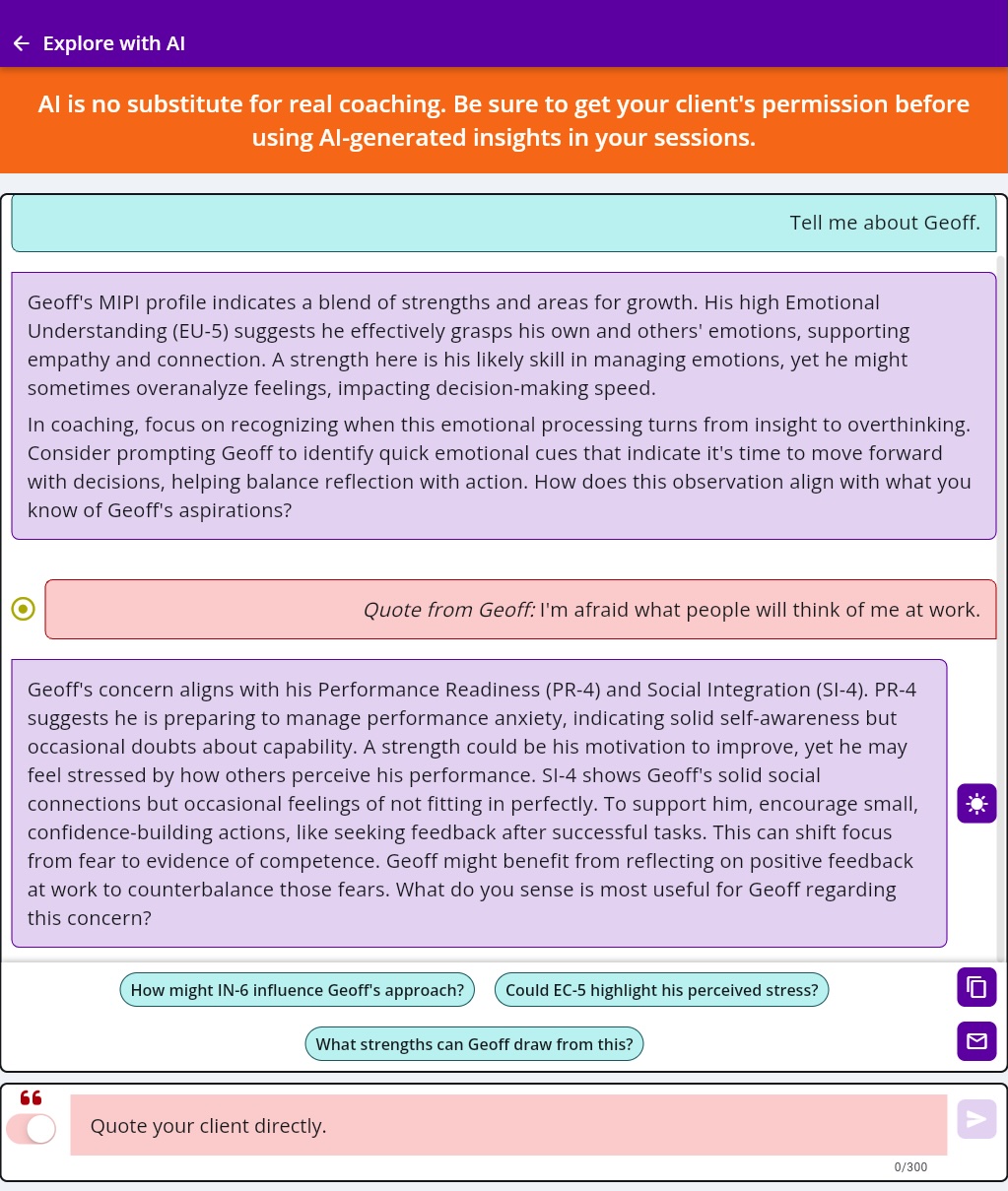
Adaptimist is built in dialogue with the research tradition around Personal Intelligence, including collaborations with Trent University’s Emotion & Health Research Laboratory. That research offered something unusually valuable: a more serious way of understanding emotional, social and motivational functioning as a structured system rather than a loose collection of “soft skills.”
What Adaptimist saw early was that a strong framework still needed translation. A model could be rigorous and still remain difficult to teach, apply, interpret or build with in everyday settings.
THE ECOSYSTEM
Today, Adaptimist is an ecosystem
What began as a search for better structure has grown into a set of tools, pathways and public resources designed to make Personal Intelligence more usable in practice.
Center
A framework built into usable form
Adaptimist builds the applied layer around Personal Intelligence: interpretation, training, interactive tools, public language and research-facing resources that help the work travel into real settings.
Assessment
The MIPI
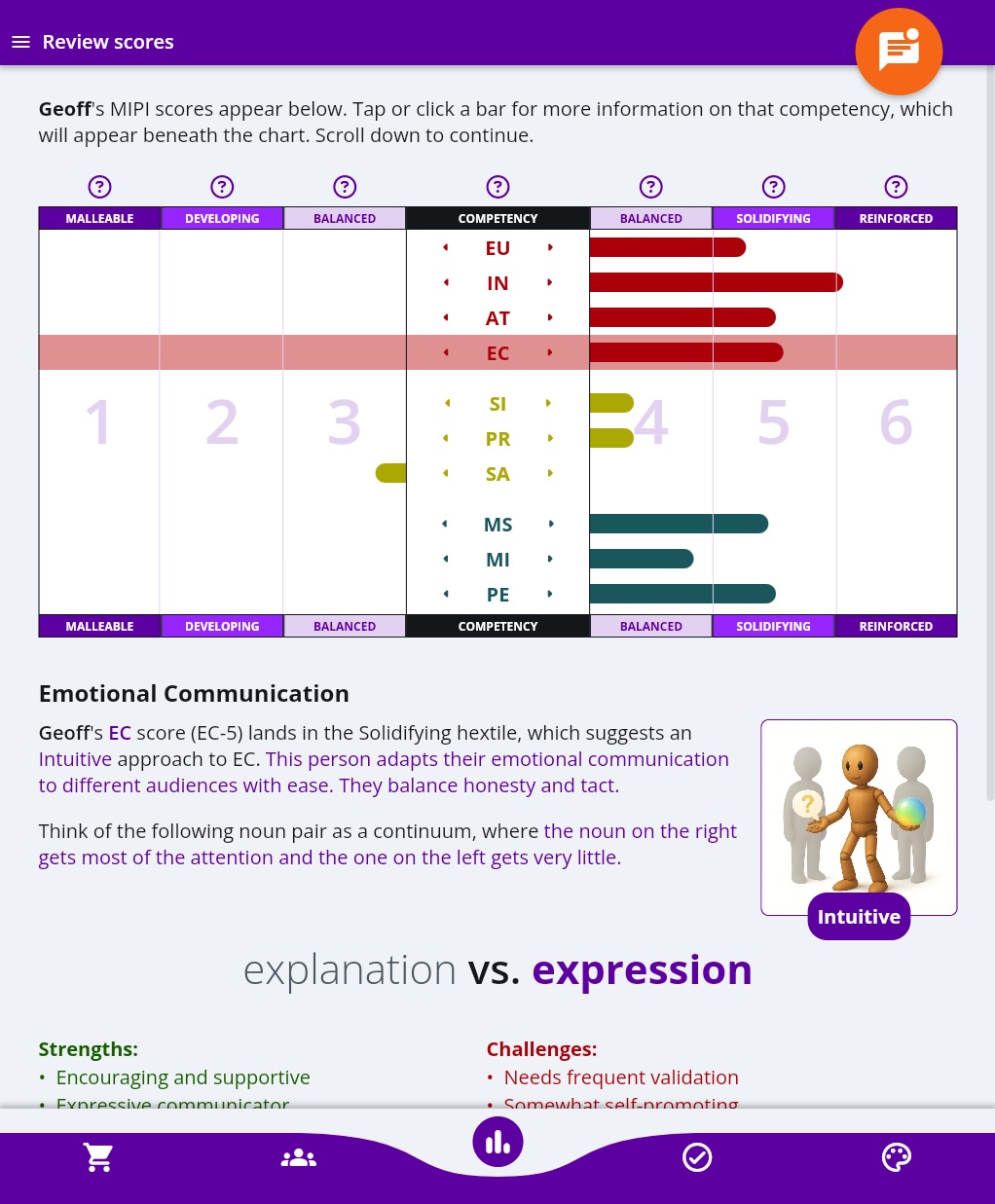
The assessment backbone used across reports, coaching, training and research.
Conceptual Structure
The Framework
The public-facing model that organizes emotional, social and motivational patterns as a coherent system.
Interactive Exploration
Labs
Interactive tools that help people notice pressure, friction and hard-to-name patterns.
Interpretive Outputs
Reports
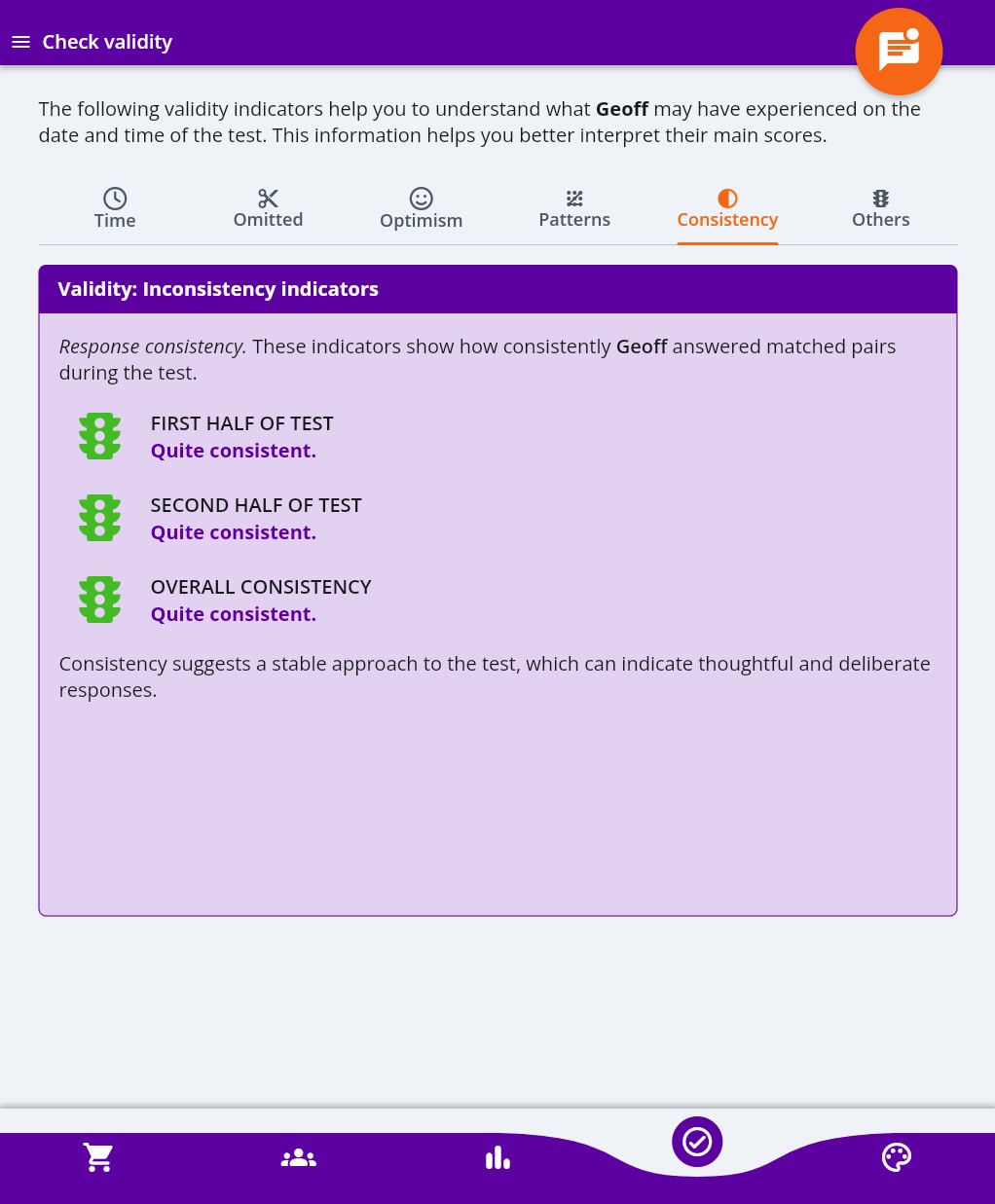
Individual and coach-facing outputs that turn assessment signals into something more interpretable and usable.
Applied Support
Coaching Tools
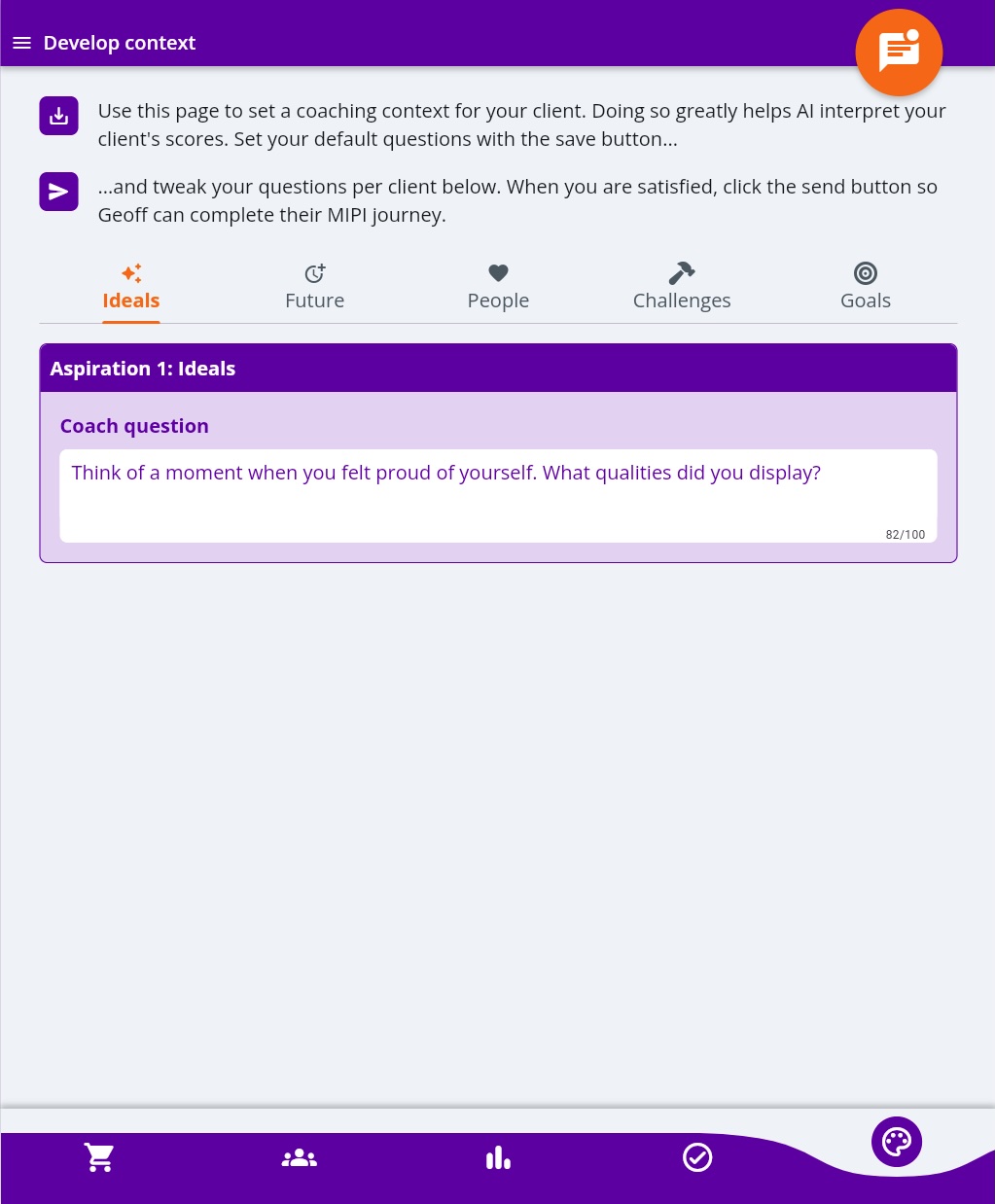
Supports that help coaches move from messy client material to clearer traction and better questions.
Development
Bespoke Programs
Score-informed training pathways shaped around the actual needs and patterns of specific groups.
Research
Validation + Partnerships
Technical grounding, published work and collaborations that keep the ecosystem tied to evidence.
Public Explanation
Writing, Glossary + Atlas
The explanatory layer that helps the ideas travel beyond reports and into ordinary language.
Some parts of this ecosystem help people reflect. Some help coaches interpret. Some support training, research, writing or interactive exploration. Together, they make Personal Intelligence easier to understand, apply and build with.
How this might matter to you
In your life
Using the language of emotion, connection and motivation to notice your patterns, name what’s happening more clearly and make choices that feel more intentional.
In your work
Drawing on these ideas to ask better questions, frame conversations more gently and shape sessions around what people actually need, not just what a slide deck says.
In what you build
Folding the tools into courses, programs, research or community work you’re already creating, so that Personal Intelligence becomes part of the infrastructure.
You’re invited!
If you see yourself in this as a coach, team leader, researcher or simply someone who wants to understand yourself and others better, you are already part of it.