Safety and Boundaries
Adaptimist Insights works in areas that can matter personally: emotion, behaviour, communication, conflict, self-understanding, leadership, and change.
Because of that, safety language is not a footnote here. It is part of the design.
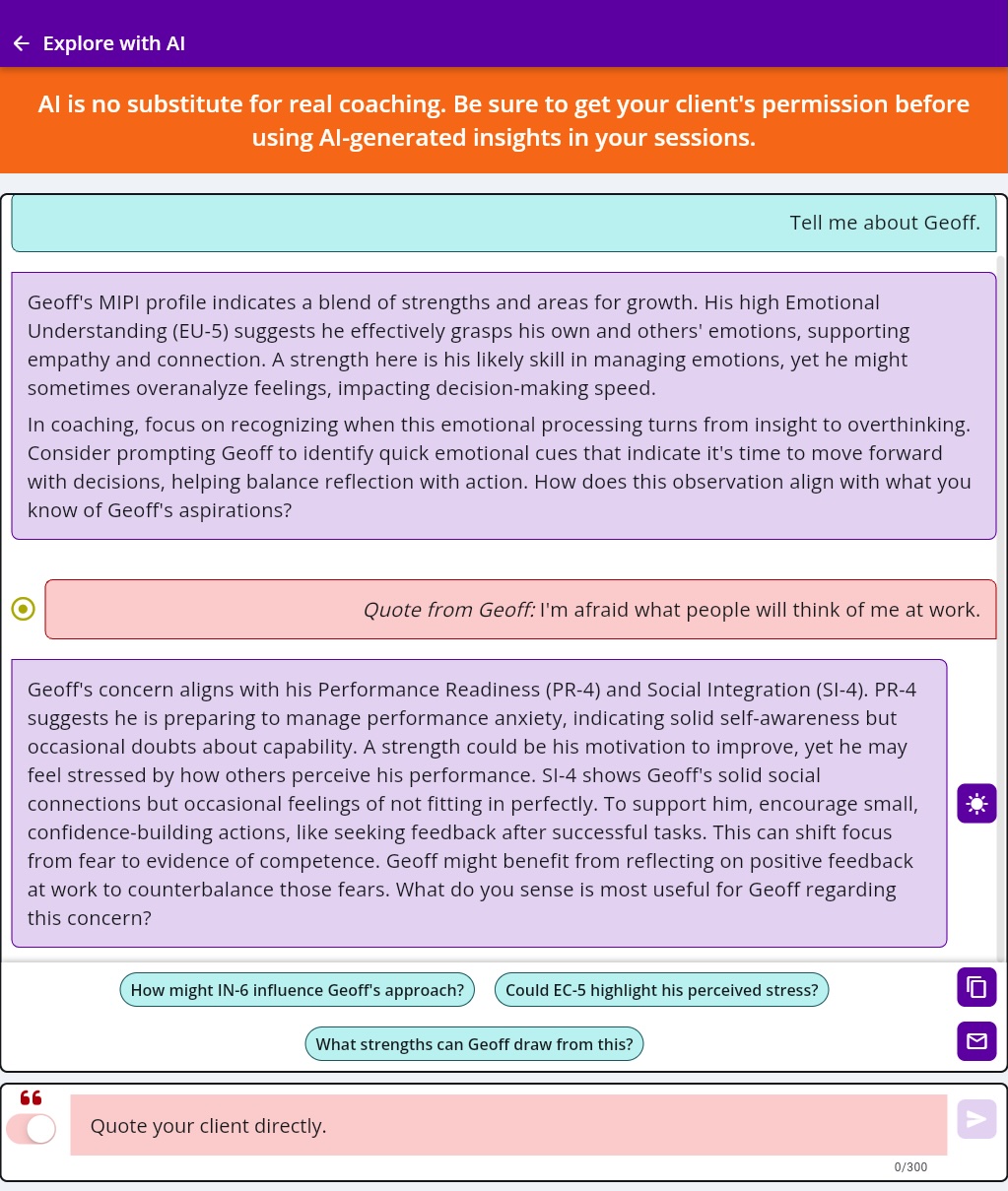
Many of the site’s tools are meant to help people notice something more clearly, try a new way of framing a problem, or rehearse a response before acting. That can be useful. It can also be easy to over-read. This page exists to make the boundaries explicit.
What the tools are designed to do
The site’s labs, articles, and interactive tools are designed to:
- make an idea or pattern easier to see
- support reflection and learning
- offer structured rehearsal or drafting help
- create low-pressure entry into more complex topics
- help users find a next useful doorway
They are designed for exploration, not authority.
What the tools are not designed to do
The site’s tools are not meant to:
- diagnose you
- score your worth, capacity, or identity
- reveal hidden truths about your inner life
- replace therapy, medical care, legal advice, or crisis response
- guarantee how another person, team, or situation will respond
This matters because interactive systems can feel more authoritative than they really are, especially when they are fluent, vivid, or psychologically resonant.
Why boundary language matters here
Across the Adaptimist corpus, one design principle appears repeatedly: useful tools should help people reflect without pretending to know them better than they know themselves.
That is why many experiences on the site include phrases such as:
- this is not a diagnosis
- this is not a score
- this is a rehearsal space, not a verdict engine
- this is not a substitute for safety planning, legal advice, or individualized support
Those statements are not there to weaken the work. They are there to keep the work honest.
When not to rely on a site tool
Do not rely on a site tool as your main guide if the situation involves:
- immediate risk or danger
- abuse, coercion, or harassment
- crisis or suicidal distress
- legal disputes or legally sensitive communication
- medical or mental health emergencies
- serious employment or organizational consequences
- situations where direct engagement may increase risk
In those cases, real-world context, qualified support, and safety planning matter more than phrasing, insight, or conceptual clarity.
Interpretation guidance
If a tool output feels powerful or personally accurate, that does not automatically make it complete.
A useful rule is:
- take insight seriously
- take certainty slowly
Use the tools to generate questions, options, language, and awareness. Do not use them as a shortcut around judgment.
For reflective and pyschoeducational tools
Some experiences on the site help users sort emotions, values, needs, patterns, or inner tensions.
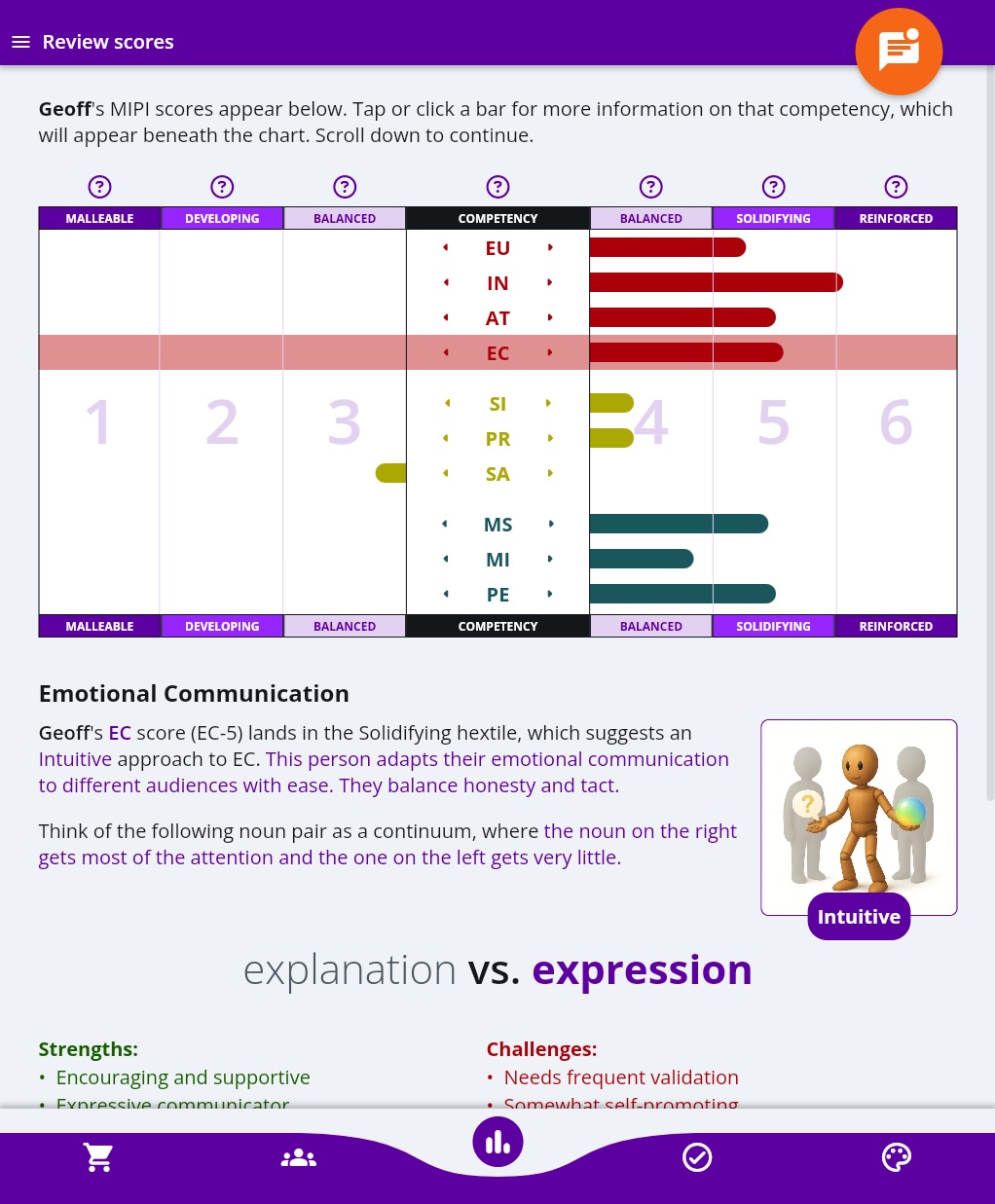
These tools are intended as learning scaffolds. They are not final maps of a person. Human experience is often mixed, layered, culturally shaped, and context-dependent. A clean category can help you think, but it should not be mistaken for a complete truth.
For communication and drafting tools
Some experiences help users draft responses, rehearse difficult conversations, or test alternate phrasings.
These are best used as bounded aids for reflection and preparation. They should not be treated as guarantees that a conversation will go well, or as sufficient support in abusive, dangerous, or legally sensitive situations.
Escalation and real support
If a tool brings up something intense, destabilizing, or safety-relevant, the best next step may not be another tool.
The next step may be:
- pausing
- contacting someone you trust
- seeking qualified professional support
- using a local crisis or emergency resource
- choosing not to engage in a risky interaction
Sometimes the safest move is not a better line. It is a different doorway.
Plain-language summary
These tools are built to help people explore, reflect, and rehearse. They are not built to diagnose, guarantee, or replace real support. If the stakes are high, treat the boundary notes as part of the value, not as fine print.