Coaching with the MIPI (2021)
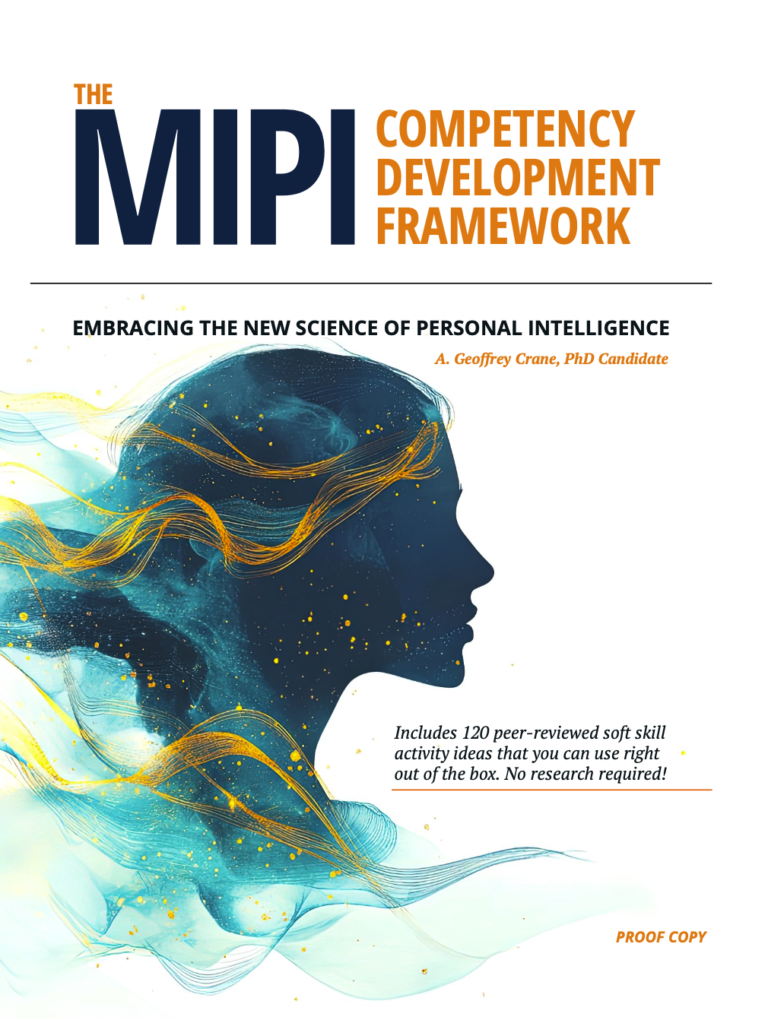
In 2021, I produced one of the earliest substantial attempts to turn the MIPI into a coach-facing methodology. Coaching with the MIPI was not a short guide or a light interpretive companion. It was a 386-page working manual built to help coaches move from raw scores to actual conversations, debriefs, and development plans.
At that stage, I was still learning how to code, calibrate, and interpret the MIPI cleanly in practice. The language was not yet where I would want it today, and the model had not yet fully benefited from the later clarification work that emerged through coaching, curation, and corpus-building. That said, the seriousness of the attempt matters. This was one of the first moments where the work stopped being only about measurement and started becoming a structured system for practical use.
The central problem I was wrestling with was simple: assessment is not enough. A score means very little if a coach does not know how to interpret it responsibly, explain it clearly, or connect it to useful developmental action. The field is full of instruments that promise insight, but the bridge between measurement and real change is often left vague. Coaching with the MIPI was an effort to build that bridge.
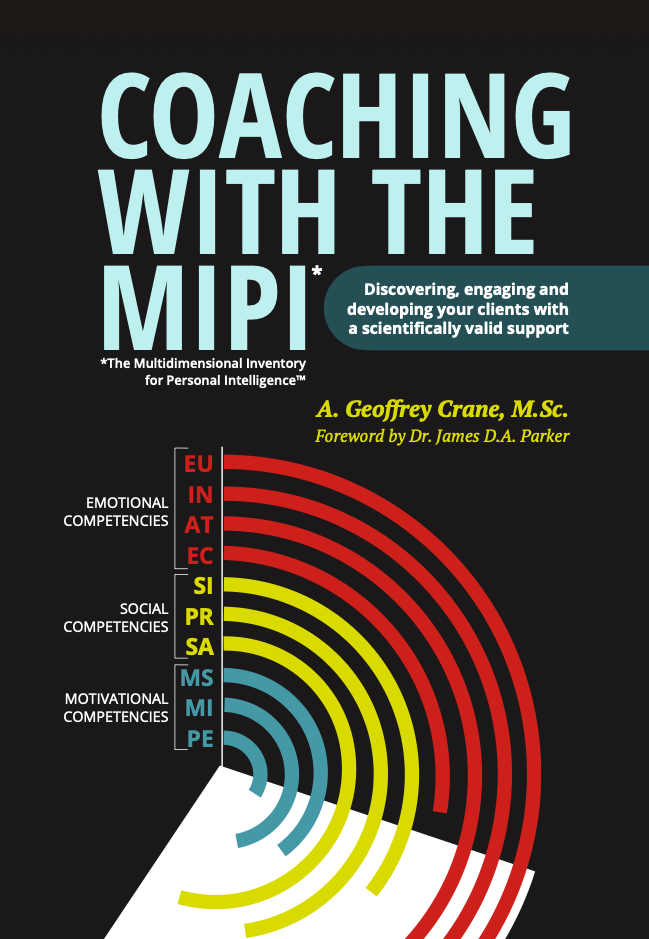
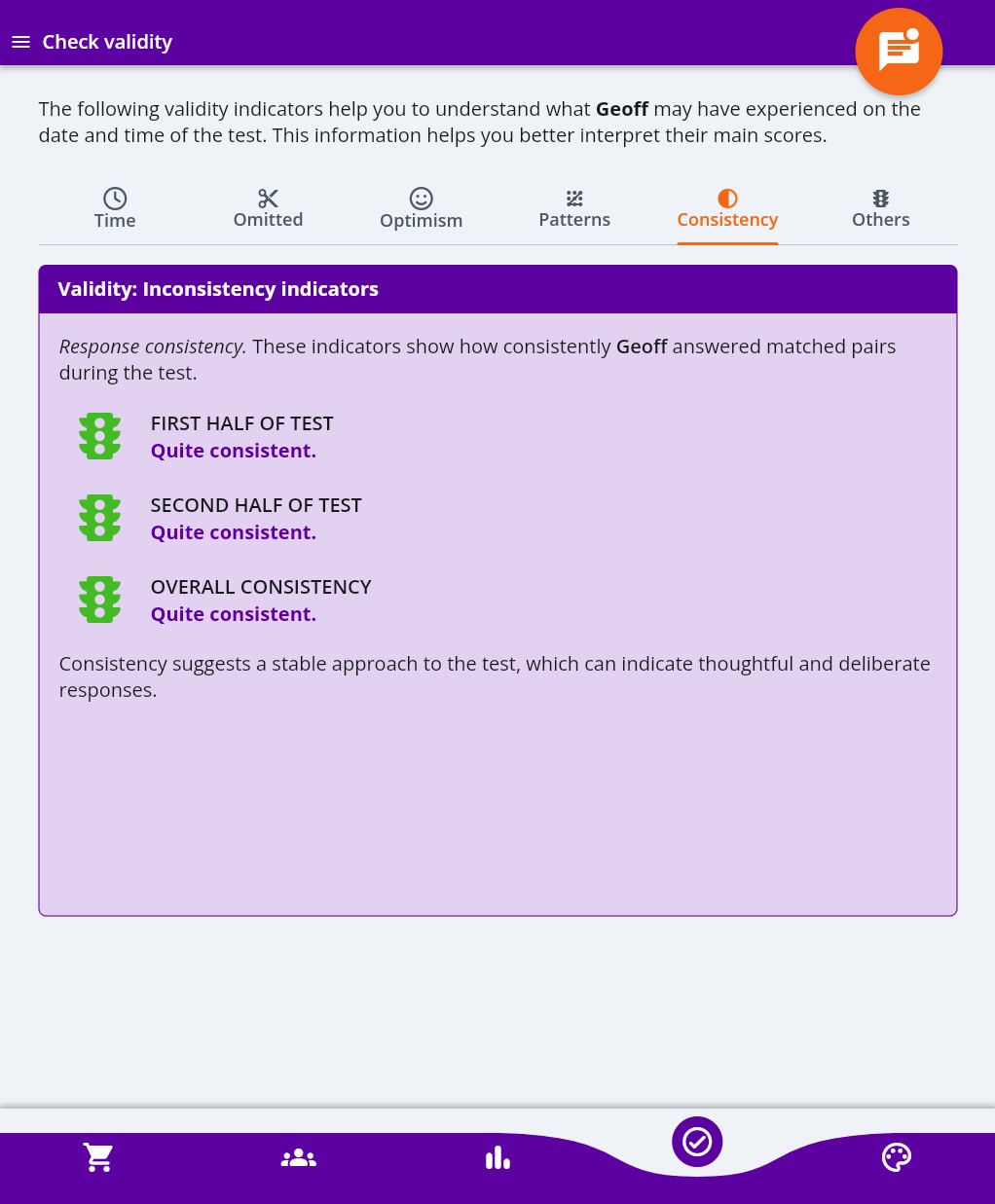
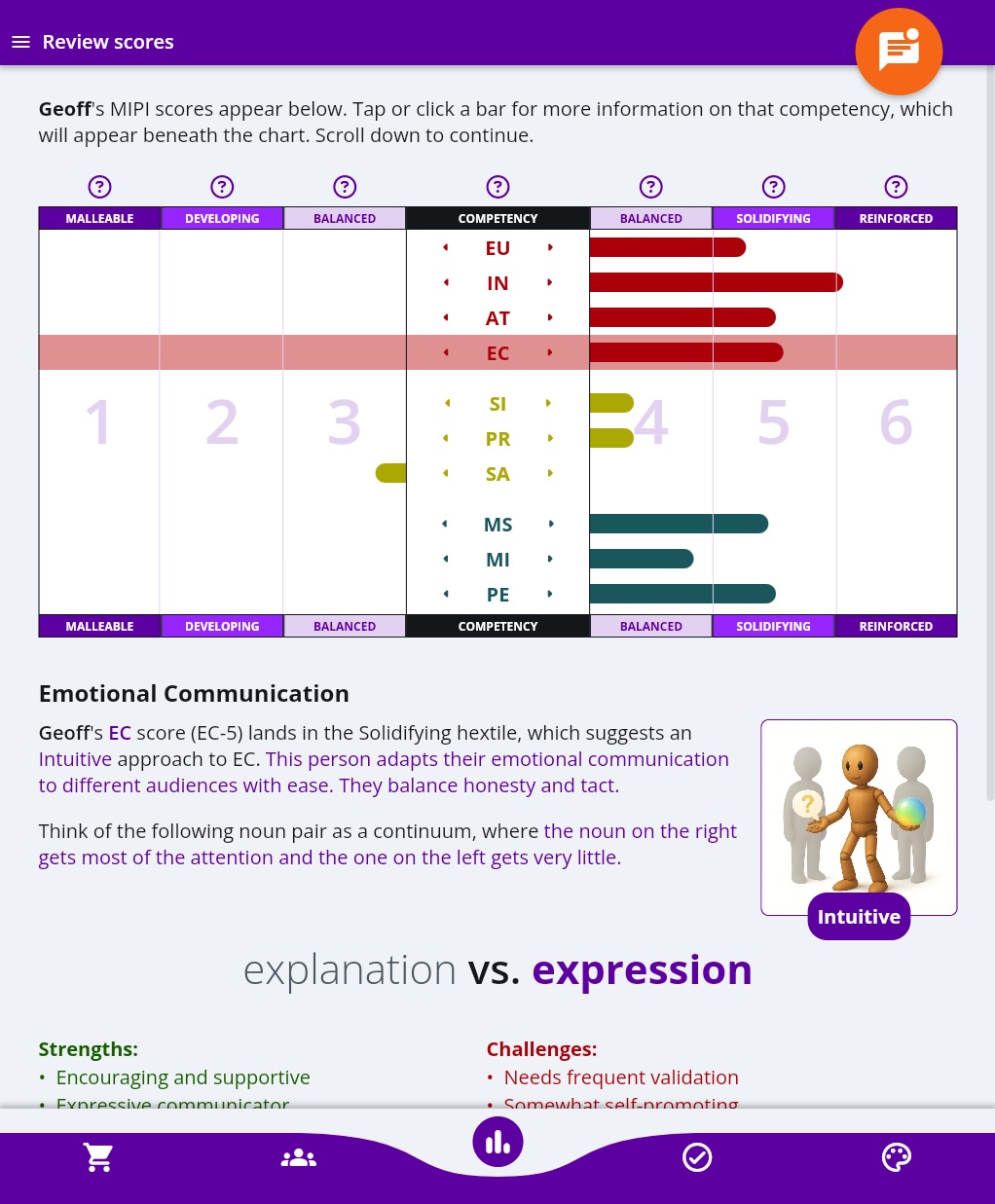
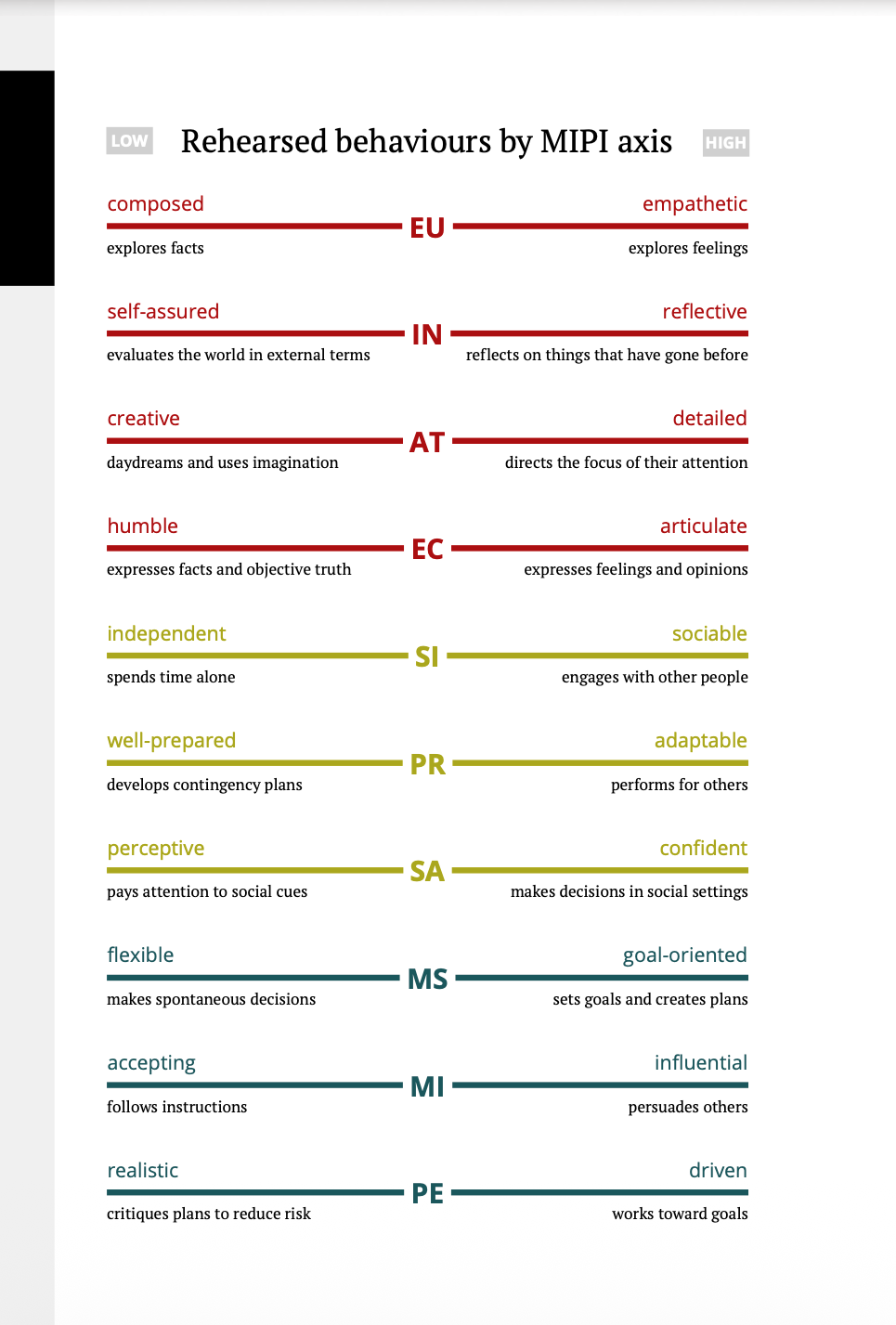
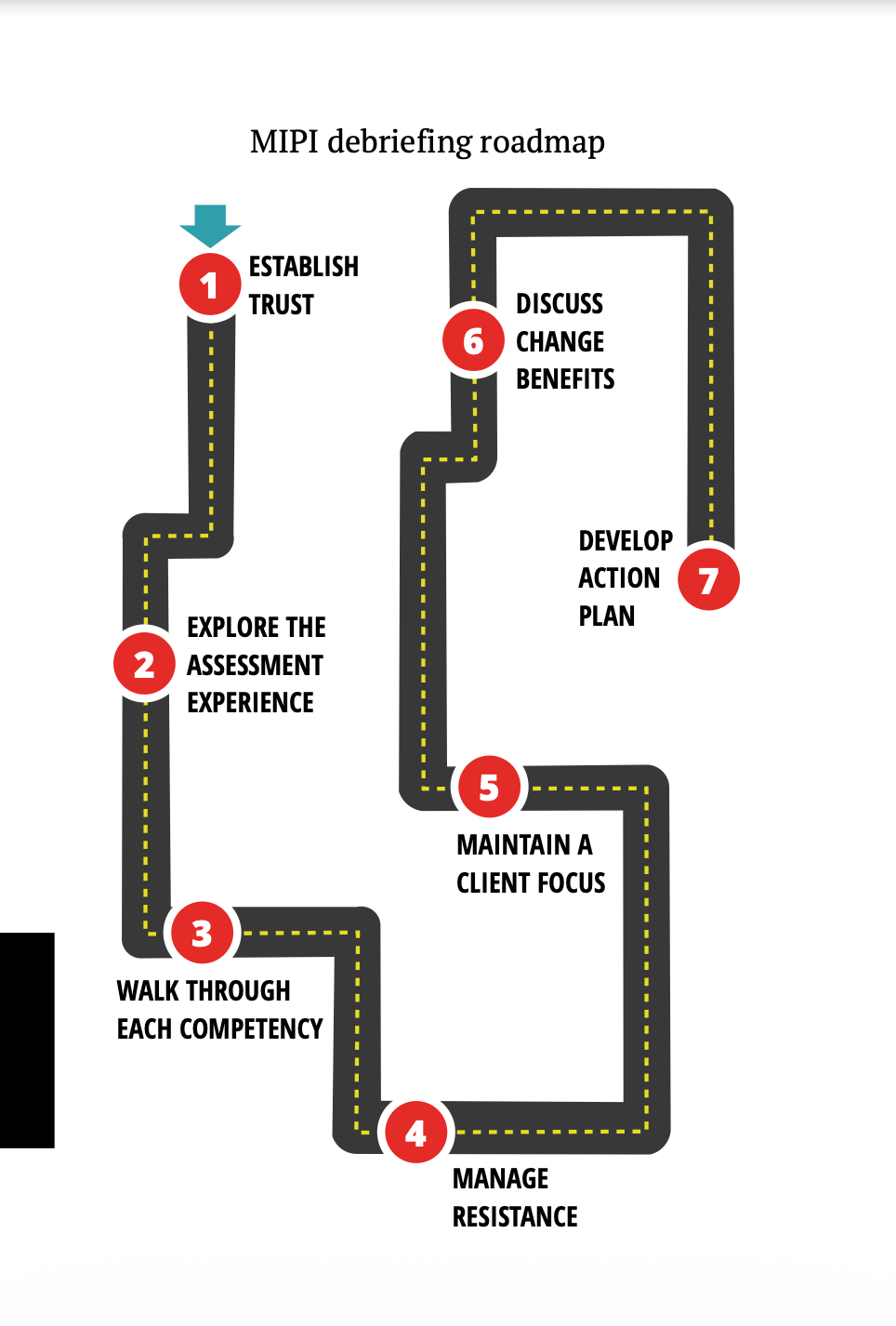
The book brought together multiple layers of the work in one place. It opened with the broader theoretical context around social intelligence, emotional intelligence, ancient models, and personal intelligence, then moved through all ten MIPI competencies in detail. Each competency was broken down across score ranges, with specific attention to how different presentations might look in life and coaching settings. It also covered validity indicators, coach preparation for the debrief process, resistance management, action planning, team coaching, intervention design, and the broader logic of using the MIPI as more than a reporting tool.
What made the project substantial was not just its length, though the scale alone says something. It was the breadth of what it tried to do. The manual was attempting to give coaches a full operating environment: theory, interpretation, structure, caution, examples, and practical movement from assessment to conversation. In that sense, it was a real learning tool, even where it was still imperfect.



It also reveals an important stage in the evolution of the work. At that time, I was becoming increasingly aware that score interpretation creates noise unless it is carefully calibrated. It was not enough to tell a coach that a client scored “high” or “low” on something and leave it at that. The practical meaning of a score depends on context, direction, behaviour, resistance, and the way the material is delivered. Coaching with the MIPI captures that tension. You can see the effort to build a usable method, even before the later refinements gave the model cleaner language and a more precise architecture.
Seen now, the book stands as an important transitional artifact. It is not the version of the work I would use today, but it marks the point where the MIPI began to become operational. It shows the shift from having a framework to trying to build a disciplined coaching method around it. That mattered, because it laid groundwork for later advances in calibration, interpretation, curated intervention design, and ultimately the corpus itself.
For that reason, Coaching with the MIPI belongs in the archive not as a finished destination, but as a serious stage in the development of the work. It was a large, ambitious attempt to make the model coachable. Although the language and interpretive strategy have evolved considerably since then, the manual still shows the scale of the effort to turn abstract competency thinking into something a practitioner could actually use.
Where to next