Competency
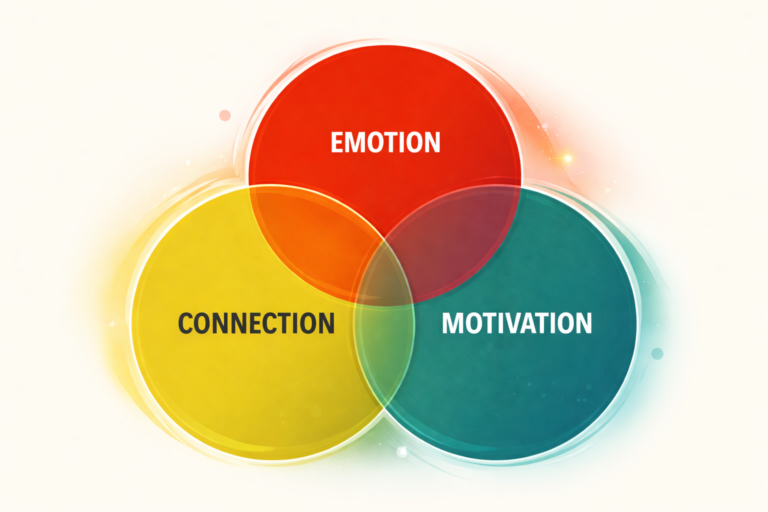
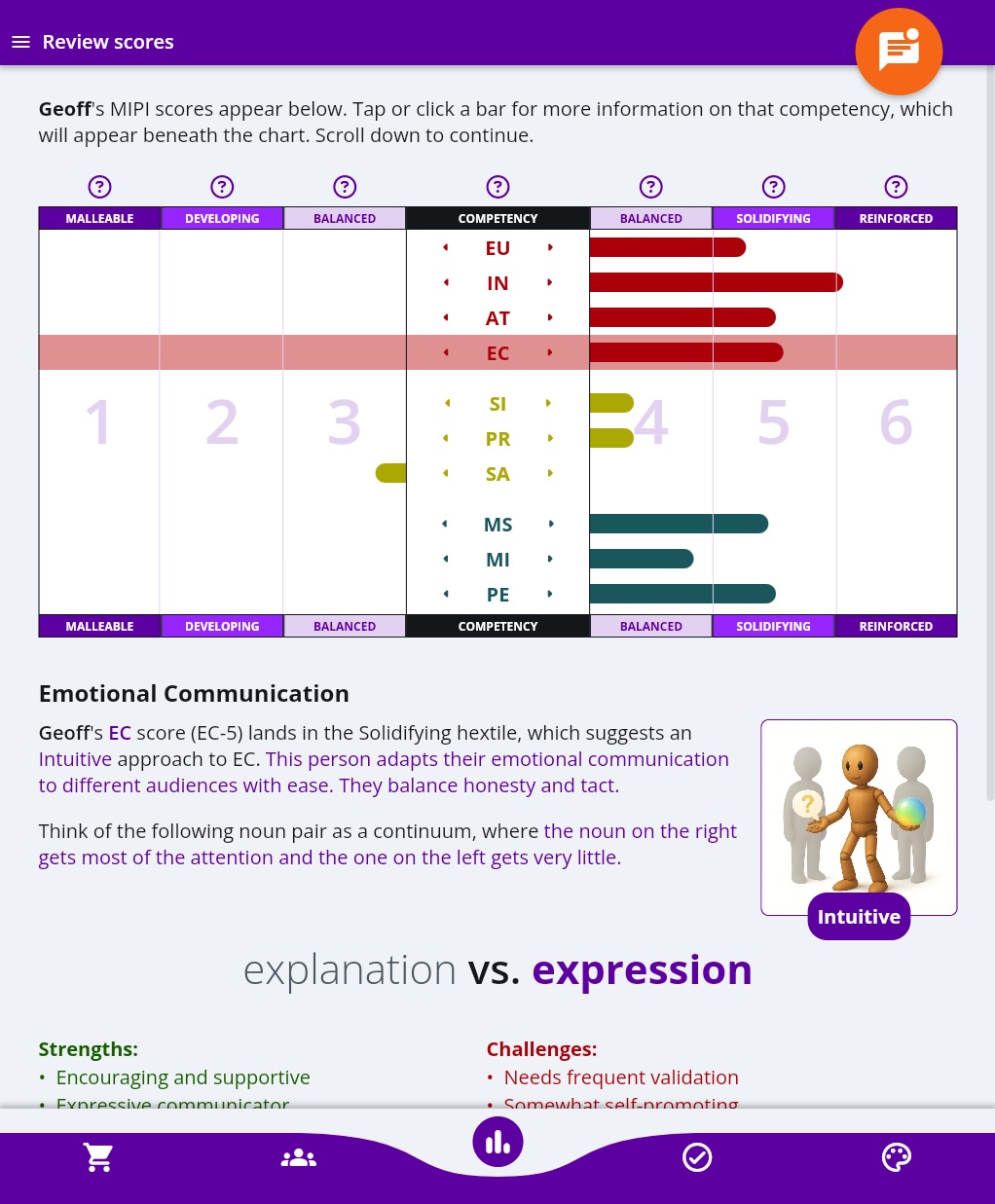
A competency is one distinct part of Personal Intelligence that can vary in how it shows up, what it makes easier and what it tends to cost.
In ordinary language, a competency is one specific capacity inside the larger framework. It is not the whole person. It is one way of describing how some part of self-understanding, social functioning or motivation tends to work.
What A Competency Does
- isolates one part of functioning clearly enough to describe it
- shows how that capacity can help in some contexts and cost in others
- makes broad self-judgments more specific and usable
In Everyday Language
The point of a competency is to break a large, fuzzy idea like self-understanding into parts that can actually be examined.
Instead of saying “I’m bad at emotions” or “I’m just not disciplined,” the framework asks narrower questions. Do you notice feelings clearly? Can you communicate them? Do you stay usable under pressure? Can you start yourself into action? Can you keep going once friction appears?
A competency helps name one of those capacities without pretending it explains everything.
Why It Matters
Competencies matter because they make self-understanding more precise.
They help turn vague self-judgments into more workable questions about where a pattern lives, what it affects and what trade-offs come with it. That makes the framework more useful and less moralizing.
What It Shapes
- how the framework divides broad functioning into usable parts
- how trade-offs are described at a more specific level
- how patterns become easier to interpret without oversimplifying the person
Where to next