Expression
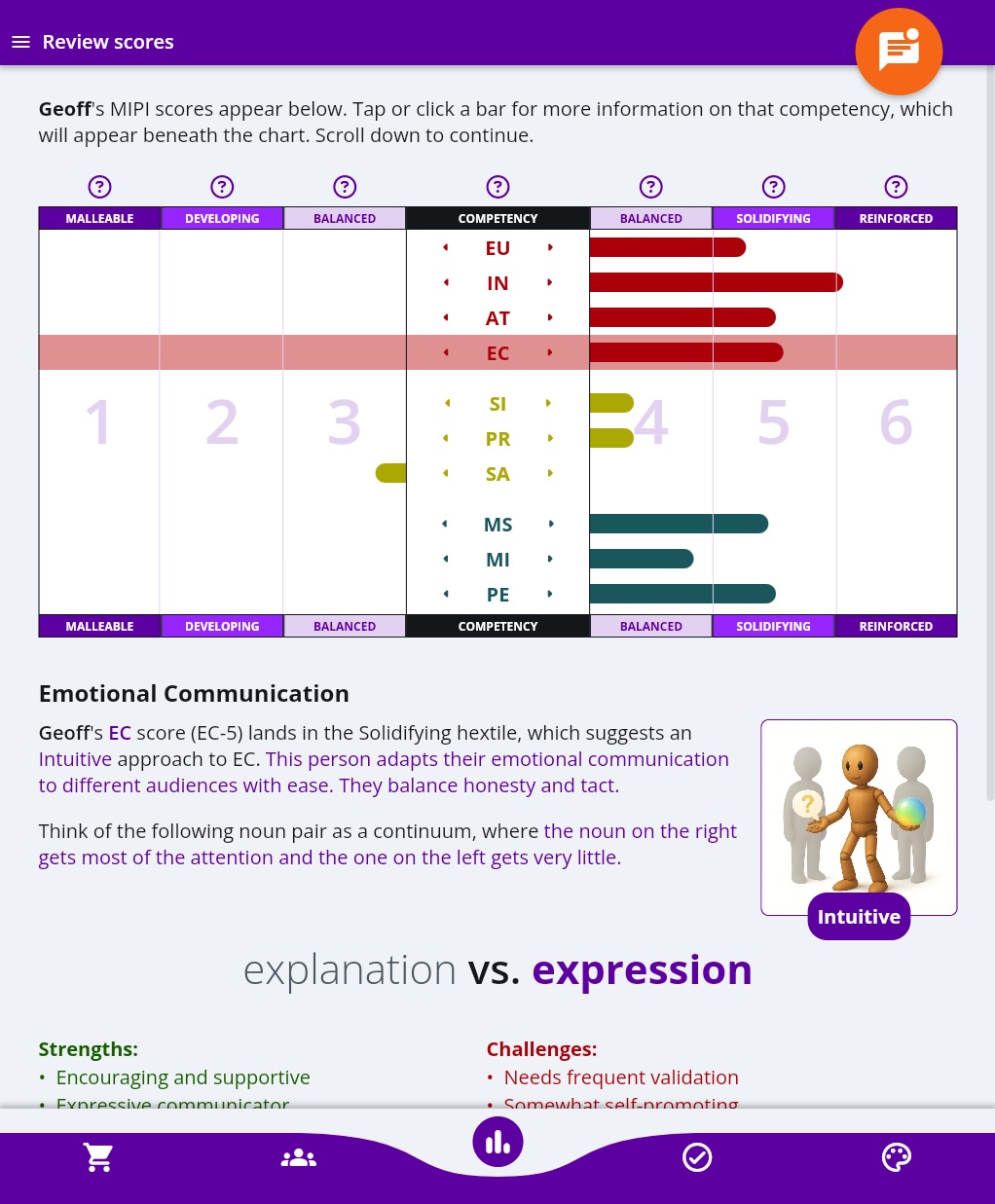
Expression is how something happening inside you becomes visible, audible, or otherwise available to other people.
That can happen through words, tone of voice, face, posture, pacing, silence, or behavior. Expression is not just about “saying how you feel.” It is about how inner experience gets translated into something other people can notice.
That matters because emotions and intentions do not stay private by default. They leak, signal, get shaped, get hidden, and sometimes get deliberately managed. Research on emotional expression suggests that expression carries important social information, but that the relationship between what someone feels and what they show is more complex than people often assume (Keltner, Sauter, Tracy, & Cowen, 2019; Barrett et al., 2019). Research on expressive suppression points in a related direction: when people hide emotional expression, it can change both their own experience and how other people respond to them (Gross & Levenson, 1993; Butler et al., 2003; Chervonsky & Hunt, 2017).
In plain language: expression is not a simple mirror of feeling. People show more, less, or something different depending on context, safety, audience, and habit.
That is one reason expression is easy to misread. Someone may feel deeply and show very little. Someone else may show a lot while still leaving the deeper thing hidden. A person can be sincere and still unreadable. They can also be expressive without being especially self-aware. Expression and understanding overlap, but they are not the same process.
What expression is often mistaken for
- honesty
- emotional intensity
- oversharing
- self-understanding
Sometimes those overlap. They are not the same.
Why this matters
If you confuse expression with inner truth, you will often misread both yourself and other people. A better question is:
What is actually being shown here, and what might still be staying private?
That question tends to make social life much easier to read.
Where to next