Social Risk
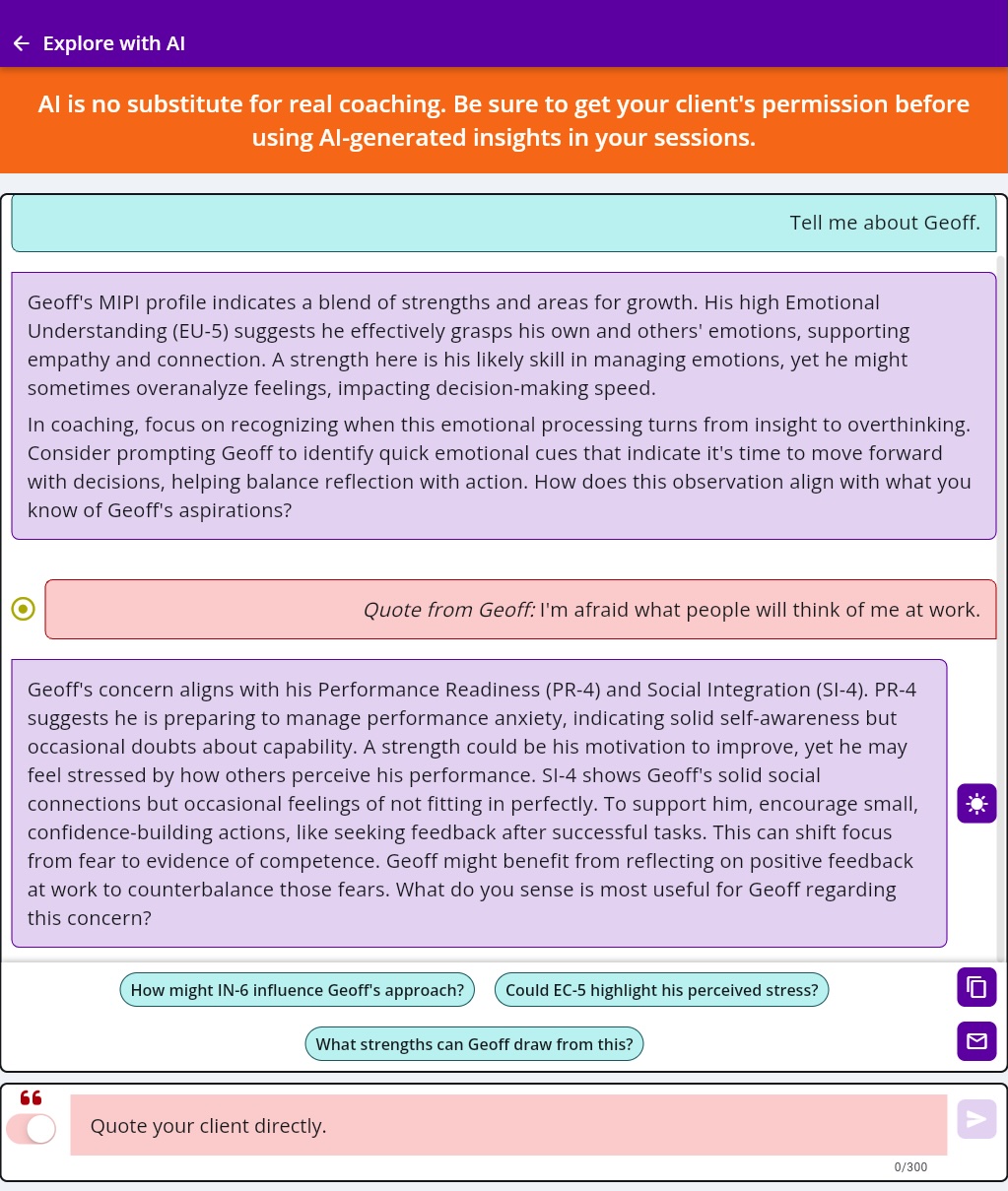
Social risk is the possibility that showing, saying or doing something will cost you socially.
That cost can take a lot of forms. You might be judged, misread, excluded, embarrassed, demoted in status, argued with, laughed at, rejected, or seen in a way you do not want to be seen. Sometimes the risk is large and obvious. Sometimes it is subtle enough that all you notice is hesitation, self-editing or the strange feeling that your thoughts get smaller in certain rooms.
This matters because people do not respond only to physical danger. They also respond to threats to their social standing, acceptance and credibility. Research on social-evaluative threat suggests that the possibility of being judged by others can trigger strong stress responses, affecting physiology, cognition and behavior (Poppelaars et al., 2019; Smith & Jordan, 2015). In plain language: being seen badly can feel like a real threat, not a minor inconvenience.
That is one reason social risk can distort behavior so quickly. A person may say less than they think, sound narrower than they are, avoid honest disagreement, overperform competence or default to whatever seems safest in the room. From the outside, that can look like insecurity, awkwardness or bad communication. Sometimes it is. But often it is also a rational response to social conditions that feel costly.
What social risk is often mistaken for
- shyness
- low confidence
- people-pleasing
- weakness
Those can overlap. They are not the same.
Why this matters
If you do not understand social risk, you will miss one of the biggest forces shaping how people speak, hide, comply and misrepresent themselves. A better question is:
What might this person be risking by being more visible, direct or honest here?
That question often makes the social situation much easier to read.
Where to next