WIN Program Case Study (2016)
The WIN Program was developed to solve a problem that conventional employment programming often could not reach.
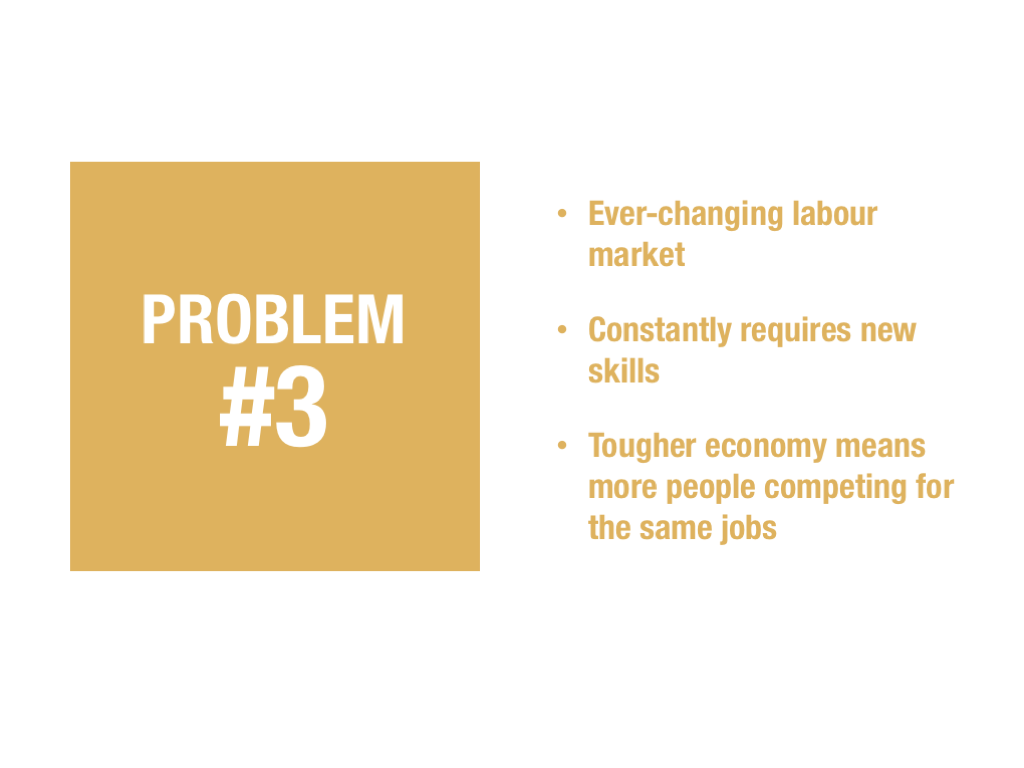
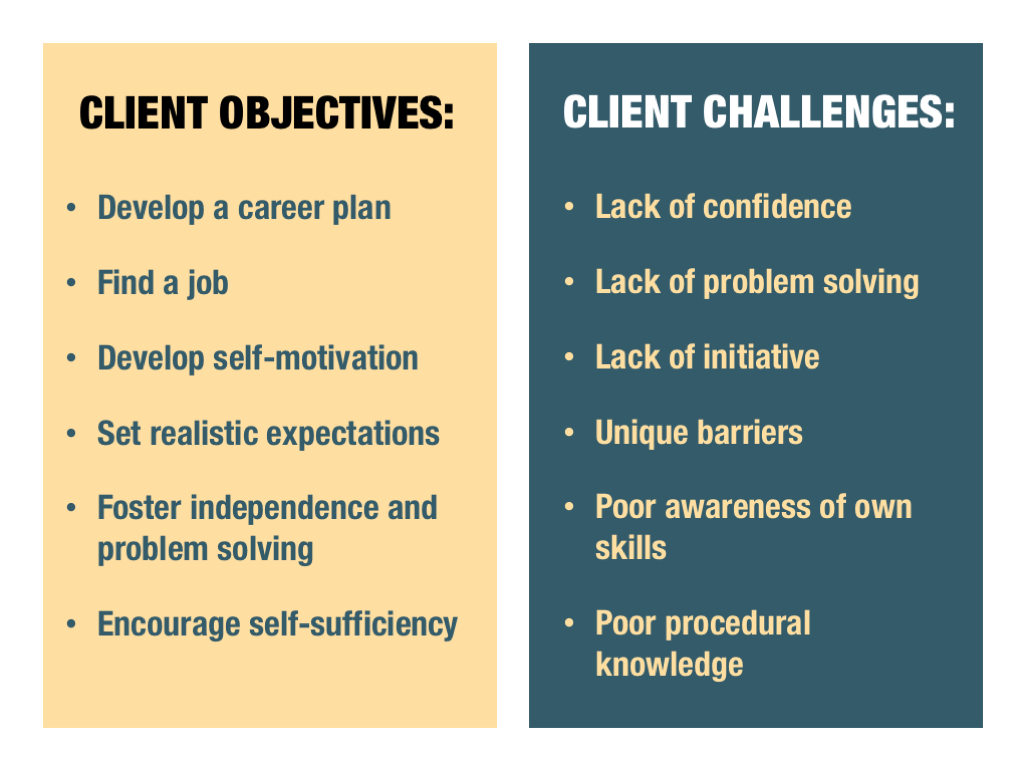
At EARN, participants could receive support with resumes, job search, interviews, placement, and on-the-job preparation. But even with those supports in place, many still struggled to sustain movement toward employment once real-world pressure entered the picture. The issue was not always a lack of ability. More often, it was difficulty with follow-through, self-regulation, adaptation, confidence, and social functioning under stress.
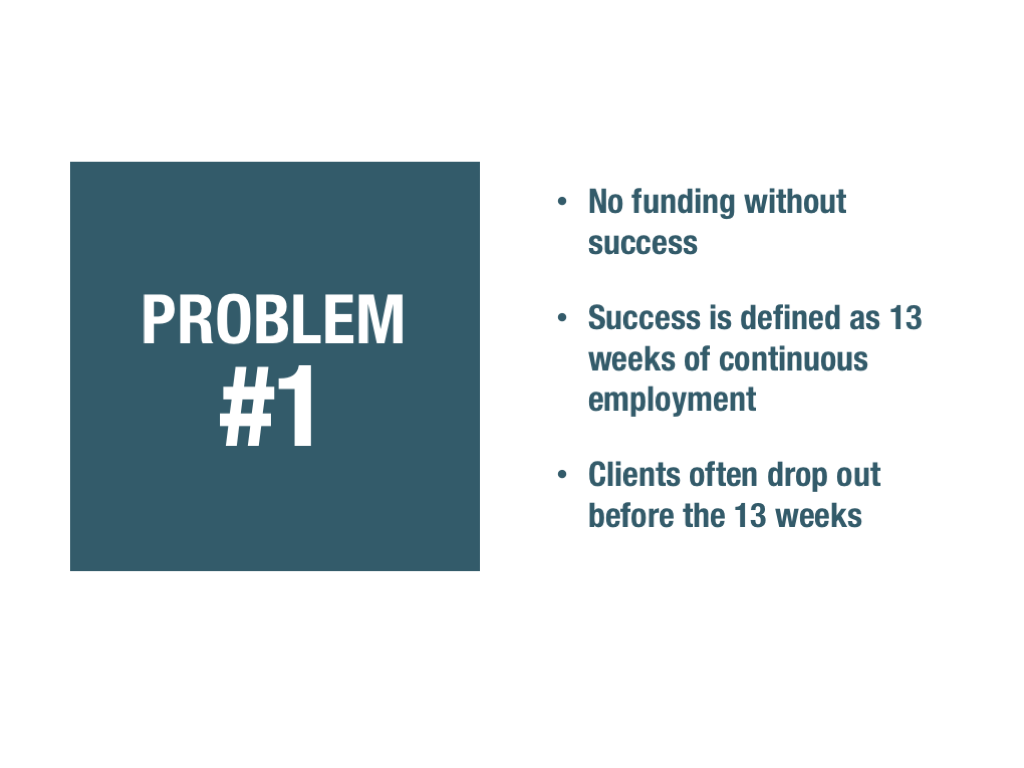
That challenge had real consequences. Funding depended on participants achieving 13 weeks of continuous employment, yet many disengaged before they could get there. Programs were being asked to produce durable outcomes without always being equipped to build the internal conditions that made those outcomes possible.
WIN was designed to address that gap directly.
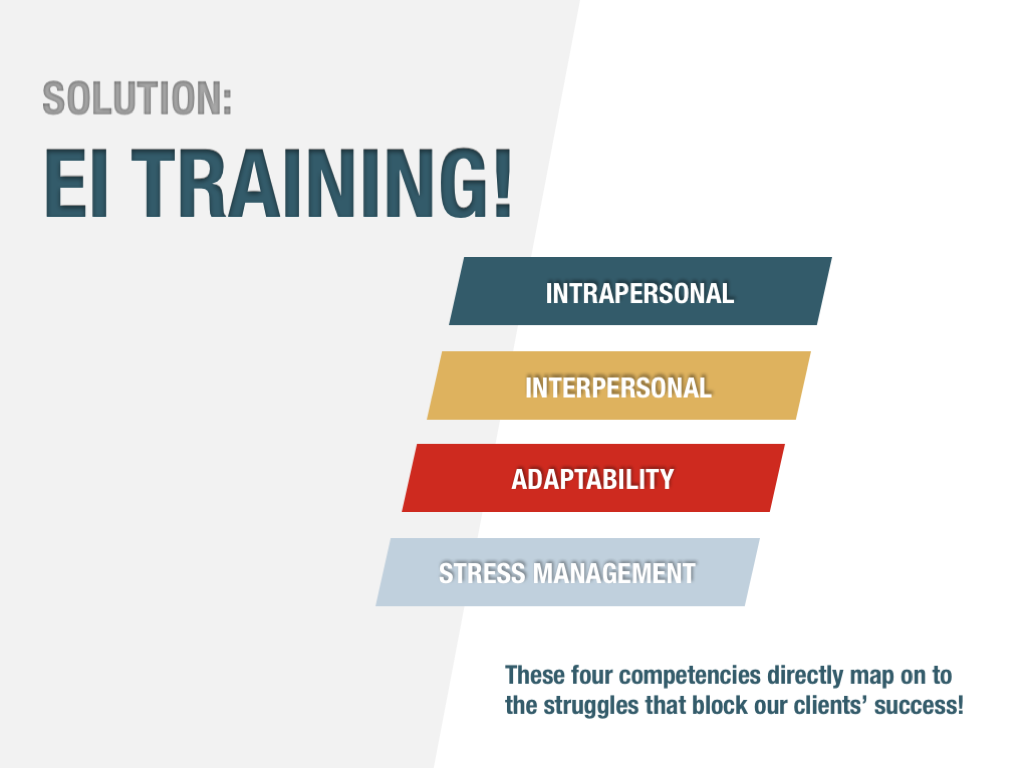
Rather than treating employability as a matter of job-search mechanics alone, WIN focused on the emotional and social capacities that often determine whether other skills can actually be used. The program worked from a simple premise: if someone cannot manage stress, stay motivated, adapt to change, interpret social situations, or recover from setbacks, then even strong technical support can remain fragile.
What WIN Was
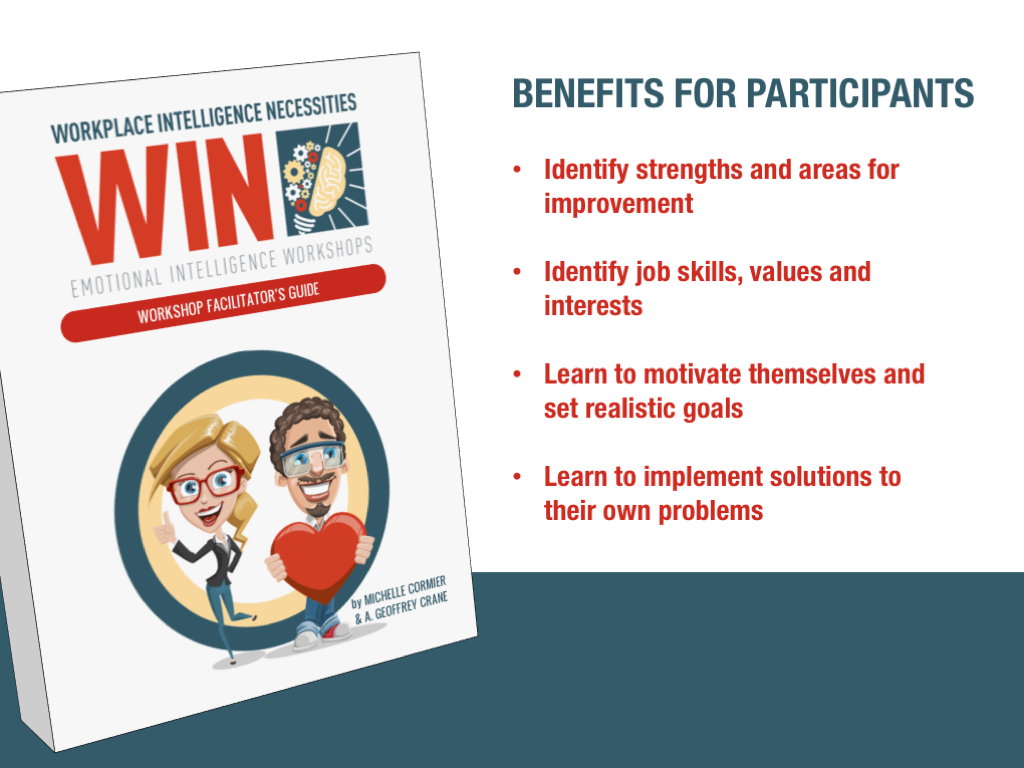
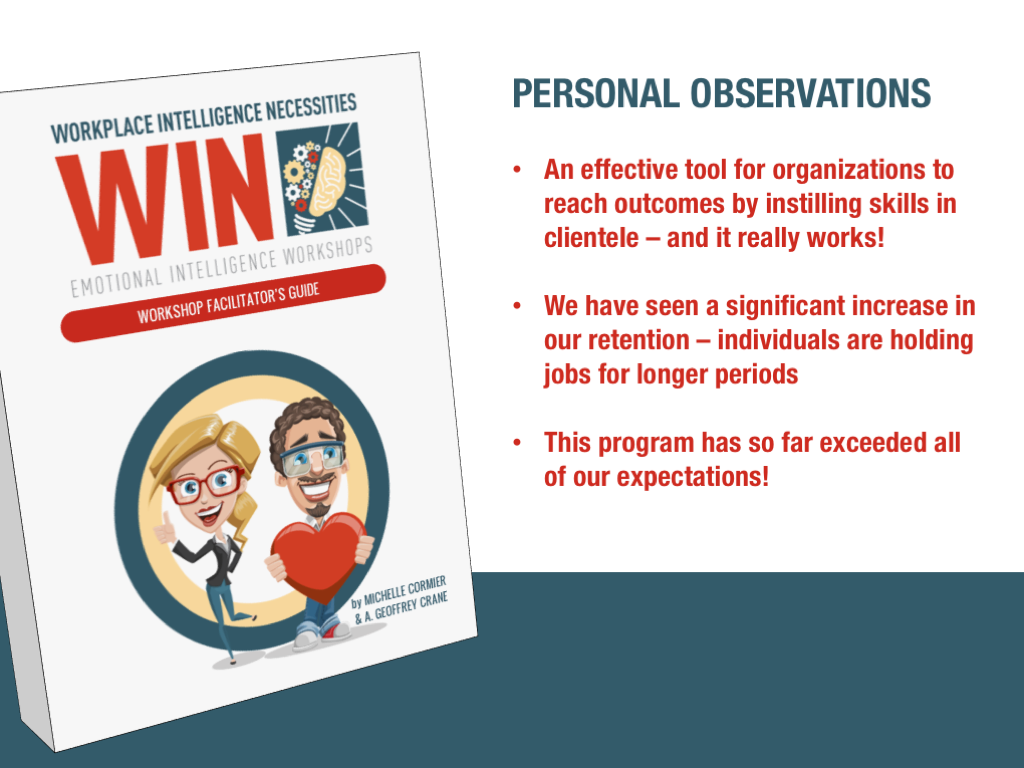
WIN, short for Workplace Intelligence Necessities, was a structured emotional-intelligence-based employment intervention developed through EARN, with support from Community Living and Trent University partnerships. It was not a loose workshop series or a motivational add-on. It was a practical program built to help participants function more reliably in real employment contexts.
The core work focused on capacities such as:
- self-motivation and follow-through
- stress tolerance and emotional regulation
- communication and self-expression
- teamwork and interpersonal awareness
- problem solving and adaptability
- resilience in the face of pressure and change
- These were not treated as secondary or “soft” extras. They were treated as part of the real architecture of employability.
Why the Program Was Needed
Employment support systems often focus on visible actions: applications, punctuality, interviews, placements, and workplace expectations. Those matter, but they are downstream. The harder question is what happens when a person encounters uncertainty, criticism, new routines, interpersonal friction, or the emotional pressure of work itself.
That is where many participants were getting stuck.
WIN reframed the issue. The barrier was not just whether someone knew what to do. It was whether they could remain behaviourally engaged long enough, steadily enough, and flexibly enough to keep doing it under real conditions.
How It Worked
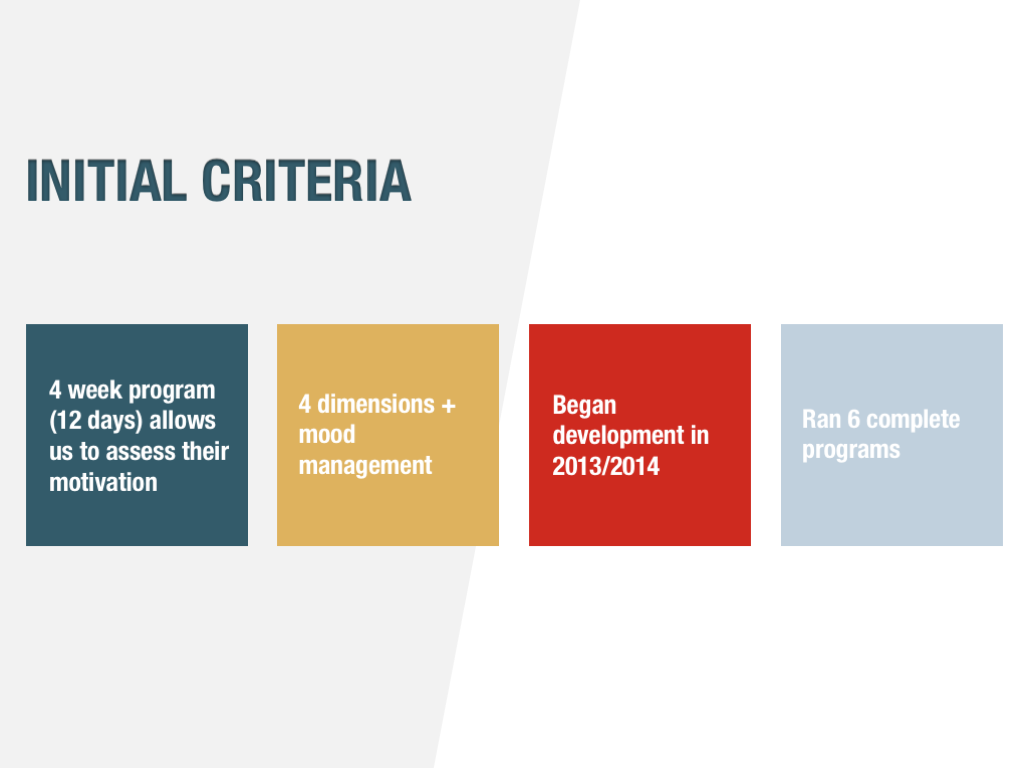
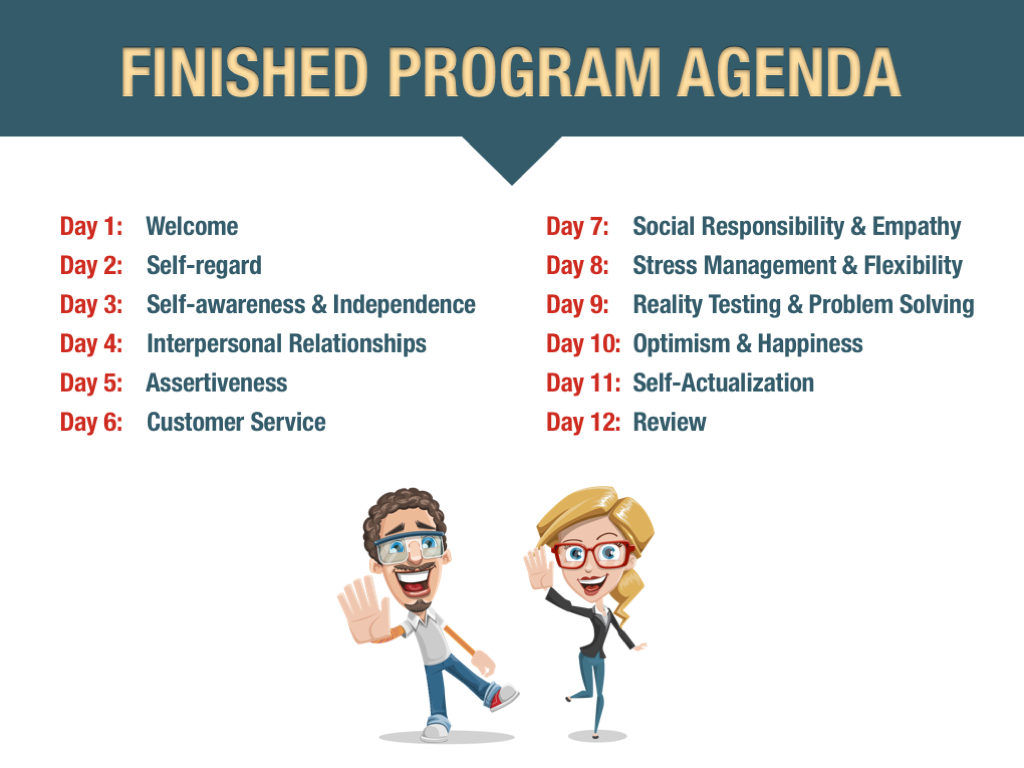
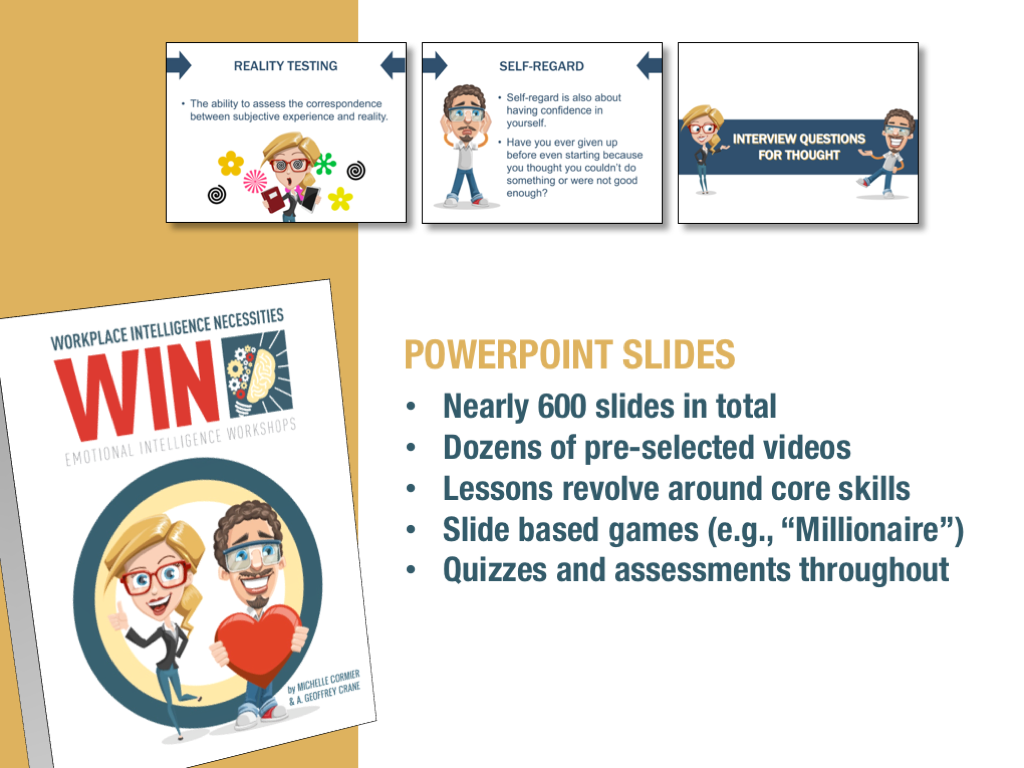
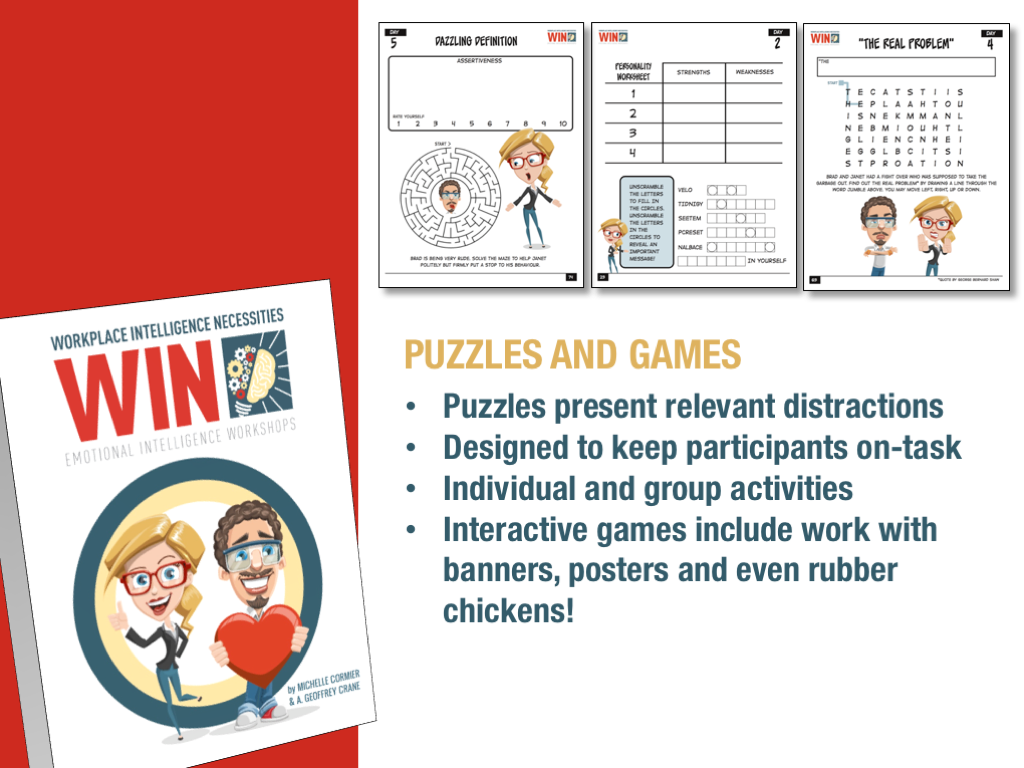
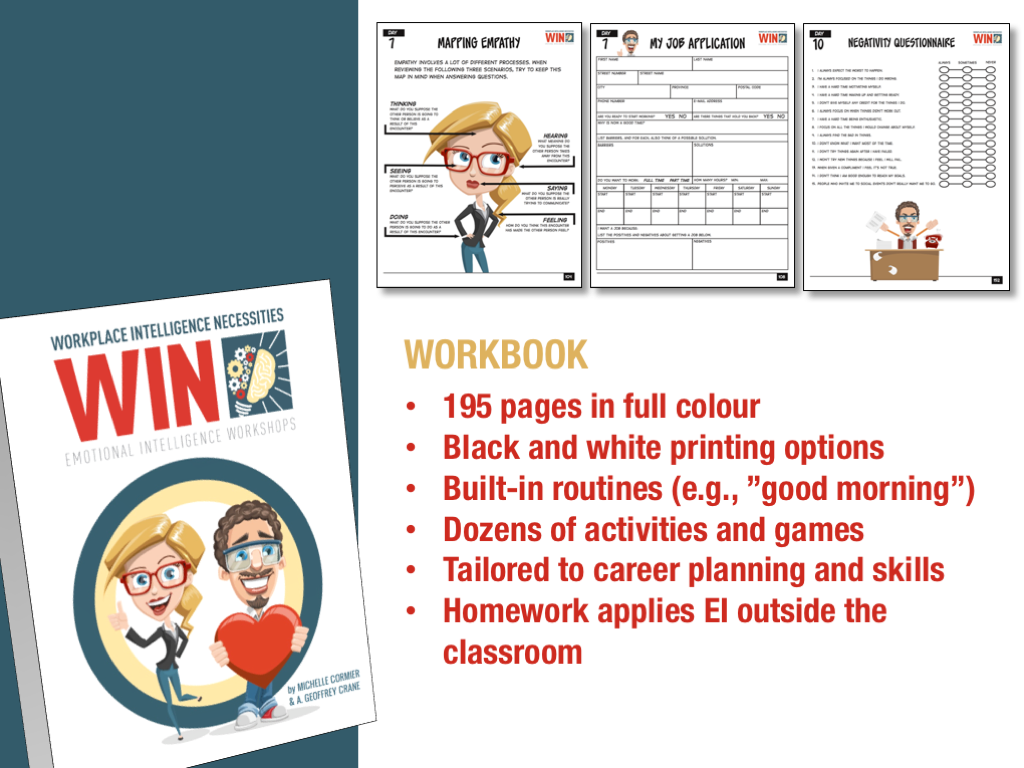
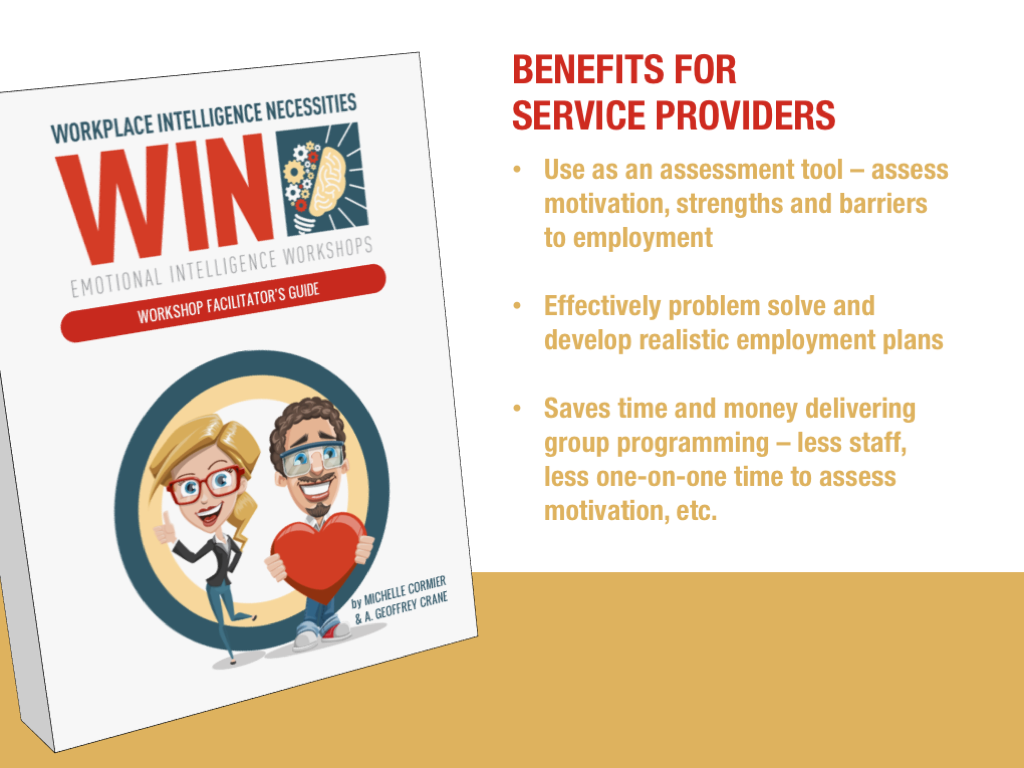
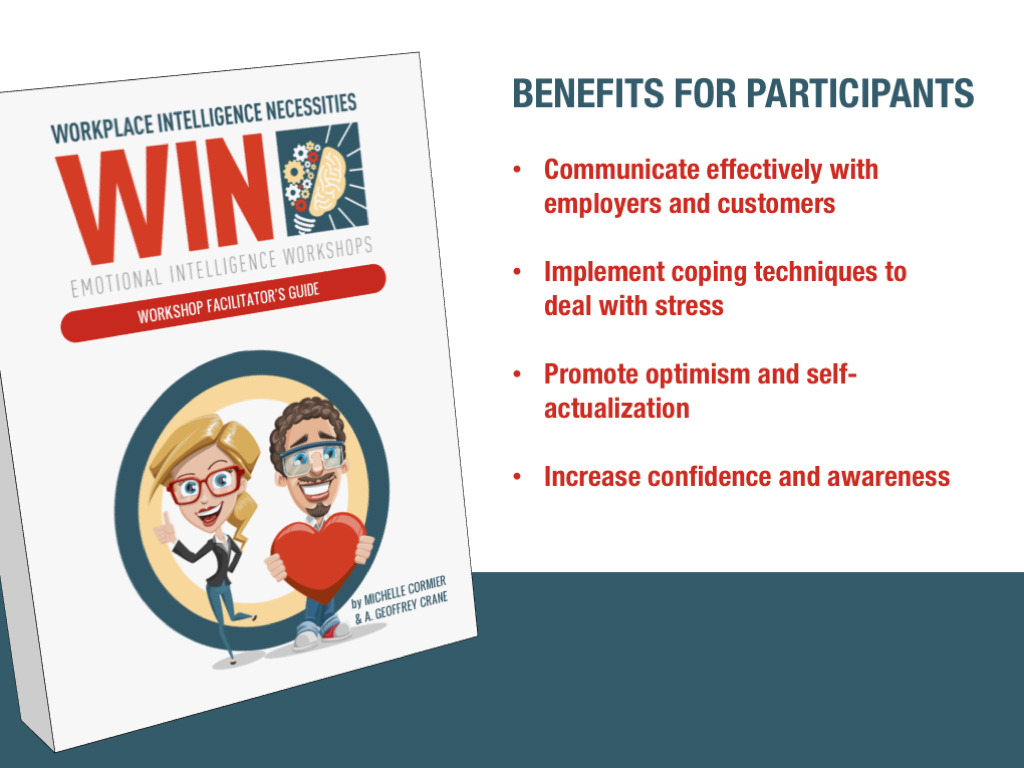
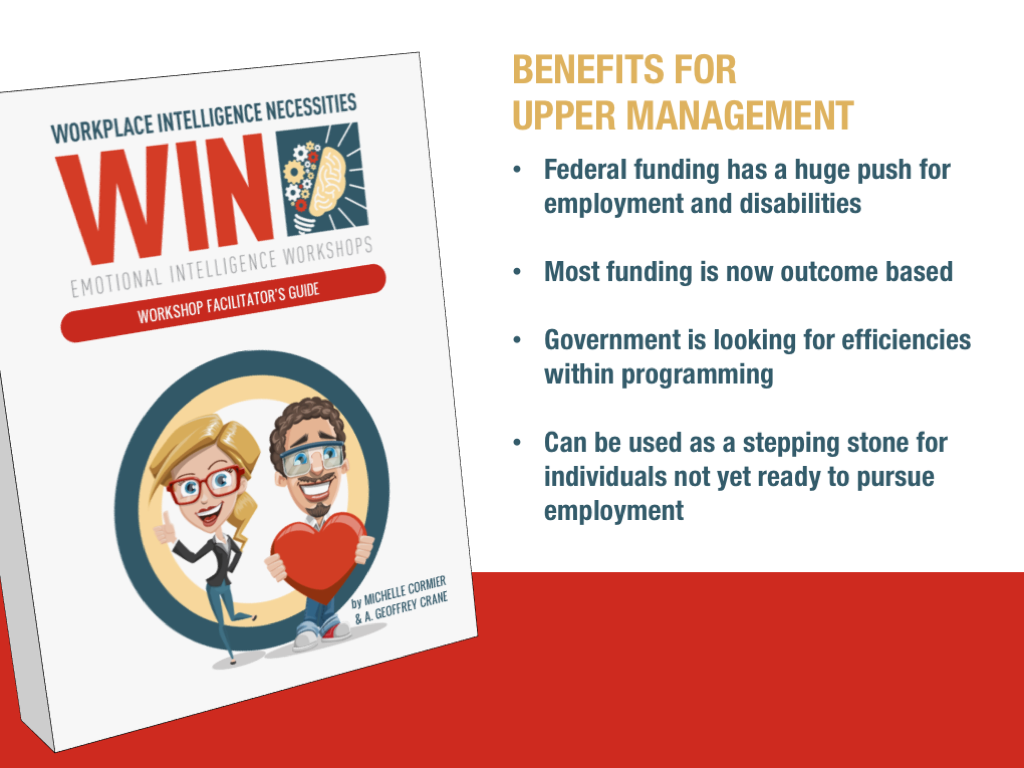
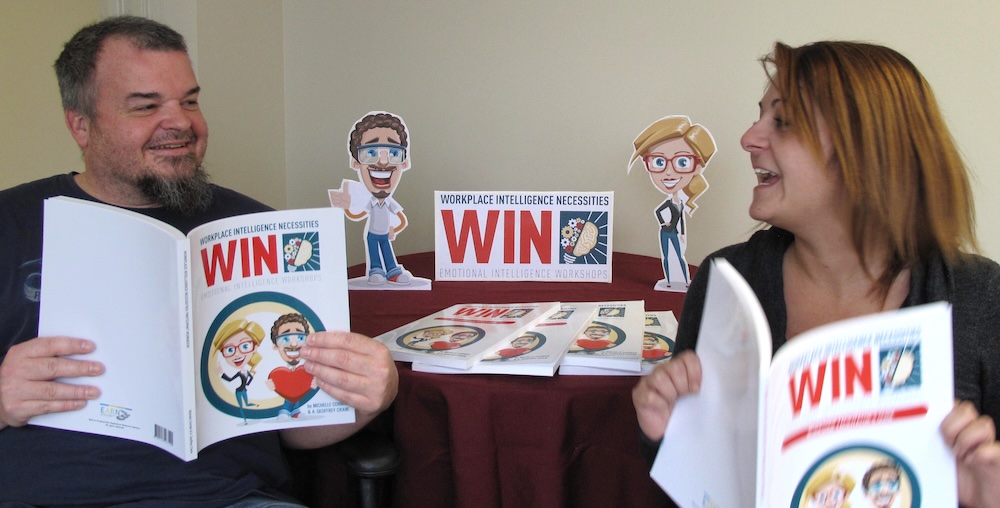
WIN was built as a four-week, twelve-day program with substantial instructional structure behind it, including both a participant workbook and a train-the-trainer guide. That mattered because the goal was not simply to run a helpful group. It was to create something teachable, repeatable, and durable.
Across the program, participants worked with material related to:
- emotional intelligence and self-awareness
- journaling and reflective practice
- communication and teamwork
- stress management and resilience
- motivation and goal-setting
- workplace behaviour and interpersonal functioning
The emphasis was practical throughout. Participants were not being taught psychology for its own sake. They were being helped to recognize how emotions, thoughts, and social patterns affected their capacity to function in employment-related settings.


What Changed in Practice
From the beginning, WIN appeared to produce a different kind of engagement from many standard employment supports. Participants who had often seemed hesitant, resistant, or difficult to sustain began showing stronger attention, more follow-through, and greater willingness to participate.
Alongside that shift, real-world outcomes reflected greater behavioural stability:
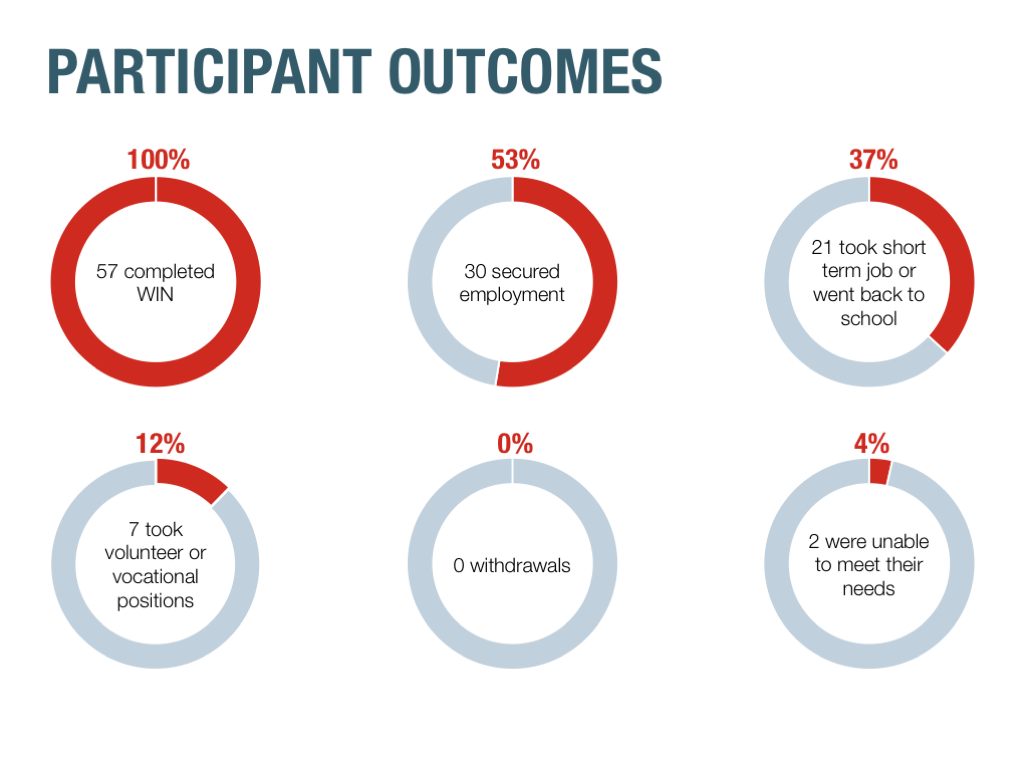
- participants secured and maintained employment
- retention improved across program cohorts
- individuals who had previously disengaged began to follow through
Some of the most telling examples were individual ones:
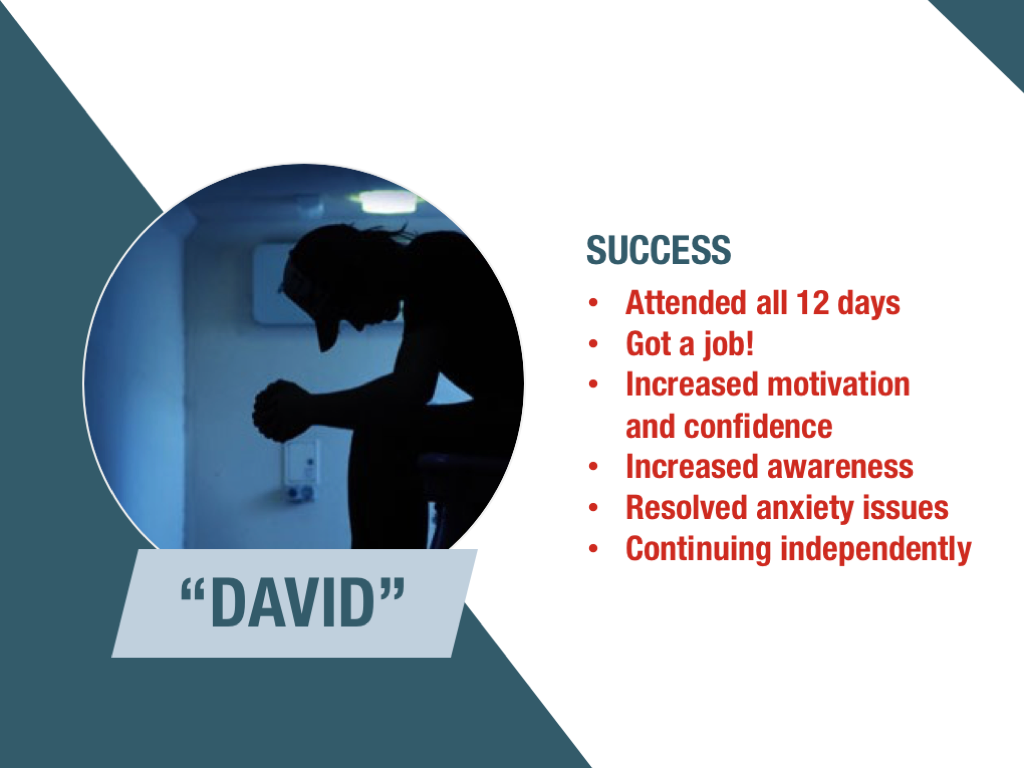
- a participant on probation secured employment and showed stronger motivation
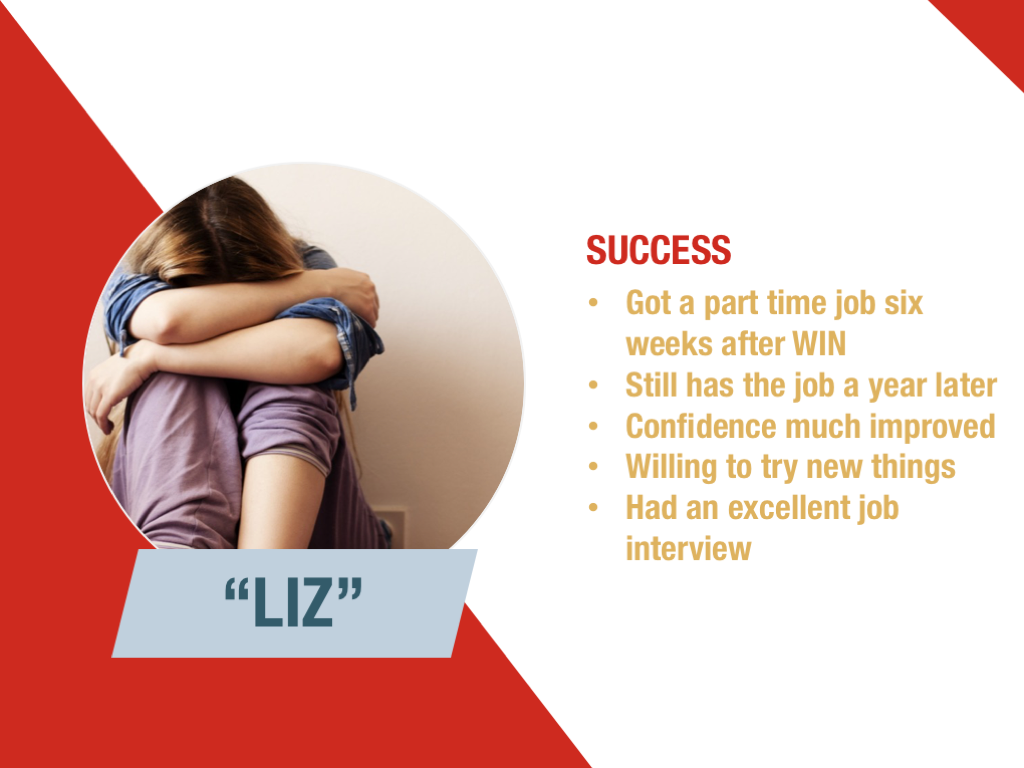
- a socially isolated participant obtained and maintained work over time
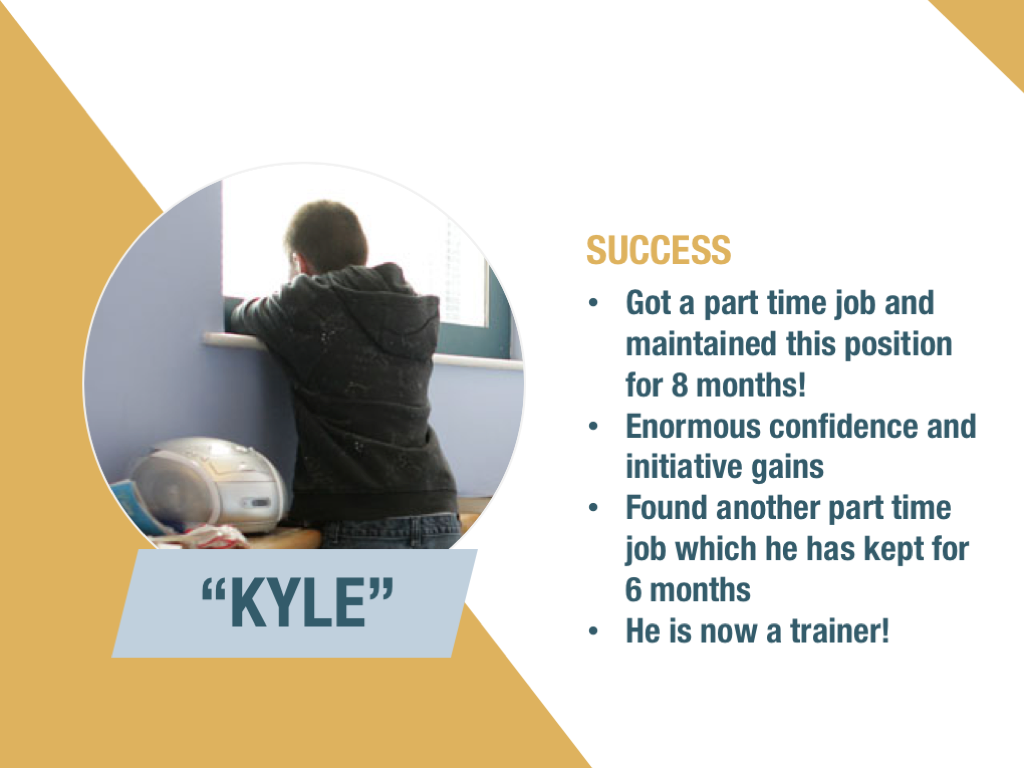
- a participant with developmental challenges progressed into employment and later became a trainer
These were not just encouraging stories. They suggested that the program was changing something underneath the visible task layer.
Evidence and Evaluation
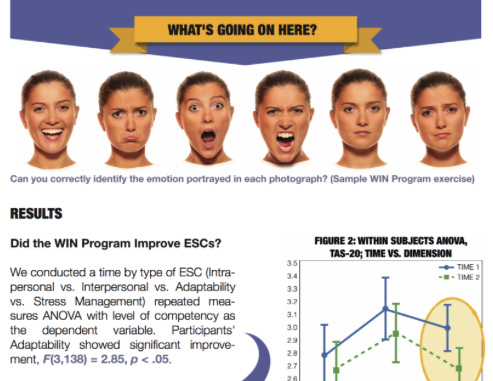
WIN was developed around concrete emotional- and social-competency targets and paired with an effort to document outcomes. Participants completed pre- and post-program assessment work examining change across emotional and social competencies over the course of the intervention.
Findings reported in later evaluation included:
- significant improvements in adaptability, particularly among women
- improvements in interpersonal functioning, particularly among men
- gains in the ability to identify and describe emotions
- measurable reductions in alexithymia-related difficulties
That gave WIN a more serious footing than many programs in this space, which often rely on anecdote or aspiration alone.
What WIN Demonstrated
WIN illustrated a broader principle that still matters:
employment outcomes are often downstream of internal systems.
If a program focuses only on visible tasks while ignoring stress tolerance, motivation, self-expression, adaptability, and social interpretation, it leaves a major part of employability untouched.
WIN was an early attempt to design for that deeper layer inside a real community setting, with real delivery constraints and real pressure to help participants reach meaningful employment milestones. That is what gives the program its significance. It was not theory detached from reality. It was an effort to build the emotional and behavioural foundations that make other kinds of progress more likely to hold.
Why It Still Matters
Although WIN was an earlier program, it captures a theme that continues through later Adaptimist work: meaningful intervention often begins underneath visible performance.
People are frequently told to communicate better, cope better, stay motivated, or adapt more effectively. Much less often are they given programming that treats those capacities as real, trainable, and central to outcomes that matter.
WIN did exactly that. It was built on the belief that if you design for how people actually function, rather than how systems assume they function, better outcomes become more achievable, even in constraint-heavy environments.
Where to next